
1. Introduction
Arab art has undergone a remarkable evolution—from the symbolic carvings and religious frescoes of pre-Islamic Arabia to the culturally resonant and globally recognized works of the modern and contemporary era.
Its transformation reflects the Arab world’s historical encounters with empires, faith, and modernization—shaping a tradition that merges spiritual devotion, visual innovation, and social commentary.
Throughout this journey, Arab art has maintained a consistent dialogue between tradition and innovation, where faith-inspired abstraction coexists with modern experimentation and global engagement.

2. Pre-Islamic Art: The Cultural Crossroads
Before the rise of Islam in the 7th century, pre-Islamic Arabia was a vibrant crossroads of Byzantine, Sasanian, and Greco-Roman influences. The region’s artistic heritage reflected the lifestyles of both nomadic tribes and settled kingdoms in southern Arabia.
Key Characteristics
| Feature | Description |
|---|---|
| Diverse influences | Art ranged from intricate mosaics and architectural carvings in Yemen and the Levant to symbolic motifs inspired by neighboring civilizations. |
| Kaaba paintings | Historical accounts describe early religious paintings within the Kaaba, including depictions of deities, Mary, and the Christ Child. |
| Nomadic art | Perishable materials used by Bedouin cultures mean that few examples survive, but jewelry, pottery, and weapon engravings reflect early aesthetic sensibilities. |
According to Smarthistory, the Arabian Peninsula in the 1st–6th centuries CE produced elaborate mosaics and monumental stone carvings influenced by global trade and migration.
3. The Islamic Golden Age (8th–13th Centuries)
With the rise of Islam, art in the Arab world took on a distinctly spiritual and philosophical dimension.
Visual expression evolved to reflect the unity of God (tawhid) and avoid idolatry, leading to the prominence of abstraction, calligraphy, and pattern-based aesthetics.
Key Features of Islamic Art
| Element | Description & Example |
|---|---|
| Aniconism | Avoidance of depicting living beings in sacred art to prevent idolatry. Focus shifted to geometry, color, and calligraphy. |
| Calligraphy | Arabic script became the supreme art form—adorning mosques, ceramics, and manuscripts as a sacred visual expression of divine revelation. |
| Arabesque | Stylized vegetal motifs and interlocking patterns symbolized infinity and divine order. |
| Luxury crafts | Ceramics, glasswork, and metalwork flourished, including the invention of lusterware, known for its iridescent metallic sheen. |
| Figurative art in secular contexts | Illustrated manuscripts and palace frescoes depicted historical and literary scenes, such as The Maqamat of al-Hariri. |
The Abbasid Caliphate (750–1258 CE) in Baghdad became a global artistic center—its art blending Persian refinement, Byzantine color schemes, and Arab craftsmanship.
4. The Ottoman, Safavid, and Mughal Eras (15th–19th Centuries)
As the Islamic world expanded under the Ottoman, Safavid, and Mughal empires, each region adapted earlier traditions into distinctive artistic languages.
Ottoman Art
-
Renowned for its architectural brilliance, from the domed mosques of Sinan to intricate Iznik tilework and calligraphic ornamentation.
-
Art blended imperial grandeur with refined minimalism in manuscripts, textiles, and ceramics.
Safavid and Mughal Contributions
-
Safavid Iran perfected miniature painting, characterized by vivid color palettes and delicate brushwork.
-
The Mughal Empire in South Asia combined Persian techniques with Indian motifs, producing masterpieces such as the Akbarnama illustrations.
As noted by The Met Museum and Study.com, the 15th–19th centuries saw Islamic art reach a peak of decorative sophistication, uniting science, faith, and aesthetics.
5. Colonialism and the Emergence of Modern Arab Art (19th–20th Centuries)
The 19th century ushered in profound change. As European colonial powers expanded into Arab lands, Western art education, realism, and academic painting began influencing local artists.
Transformation During Colonial Influence
-
Arab artists attended European art academies in Cairo, Beirut, and Paris.
-
Genres such as Impressionism, Cubism, and Expressionism were adapted to Arab narratives.
-
Governments and cultural institutions supported the revival of traditional crafts—a movement that preserved indigenous design in textiles, ceramics, and calligraphy.
Post-Independence Modernism
Following independence in the mid-20th century, Arab artists sought to define a unique modern identity:
-
The Baghdad School of Art and Hurufiyya movement merged calligraphy with abstraction.
-
Artists began addressing nationalism, identity, and post-colonial memory, blending modern form with traditional philosophy.
As Britannica observes, this period marked a turning point where Arab artists asserted cultural self-determination through visual innovation.
6. Contemporary Arab Art (Late 20th Century–Present)
The late 20th and early 21st centuries witnessed Arab art entering the global stage, characterized by conceptual experimentation, political engagement, and cross-cultural dialogue.
Contemporary Movements and Themes
-
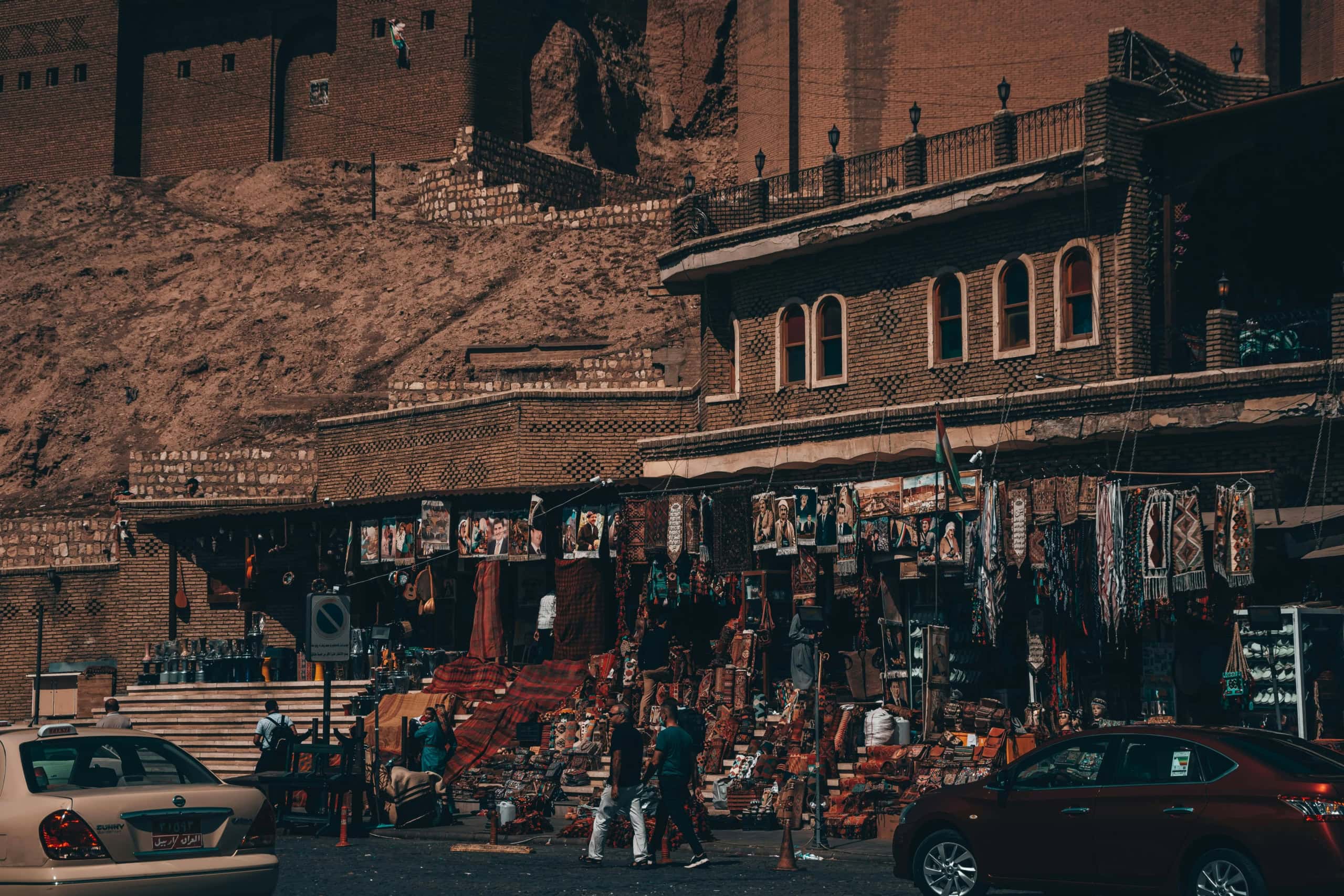
The Hurufiyya Legacy: Modern artists continue to reinterpret Arabic script as abstract form—symbolizing cultural pride and spiritual continuity.
-
Identity & Politics: Artists explore displacement, migration, gender, and war through multimedia works, installations, and digital art.
-
Global Participation: Arab artists now exhibit at major biennales in Venice, Sharjah, and Cairo, and their works appear at international auctions such as Christie’s and Sotheby’s.
-
Women Artists: Figures like Hayv Kahraman, Mona Hatoum, and Etel Adnan have expanded the global understanding of Arab visual expression, addressing themes of freedom, memory, and belonging.
According to Marsoum and The Met Museum, contemporary Arab art bridges the sacred past and modern identity—offering both introspection and universality.
7. Conclusion
The evolution of Arab art mirrors the region’s complex history—its spiritual devotion, political transformations, and cultural resilience.
From the carved stones of ancient Arabia to the conceptual installations of today, Arab artists have continuously redefined the role of art in society: as a medium of beauty, identity, and truth.
In essence, Arab art is a living conversation between heritage and modernity, between faith and freedom, and between local identity and global expression.