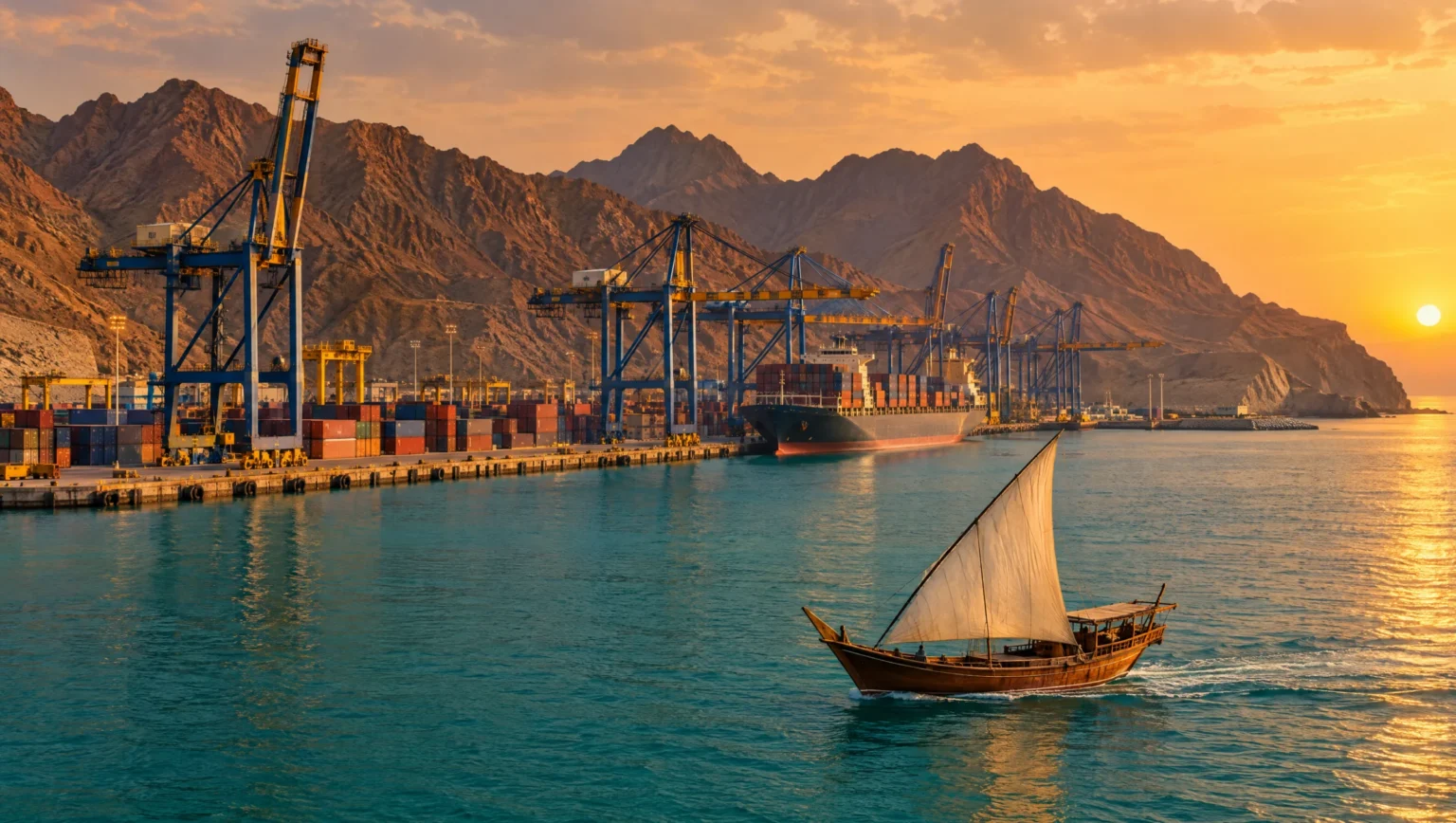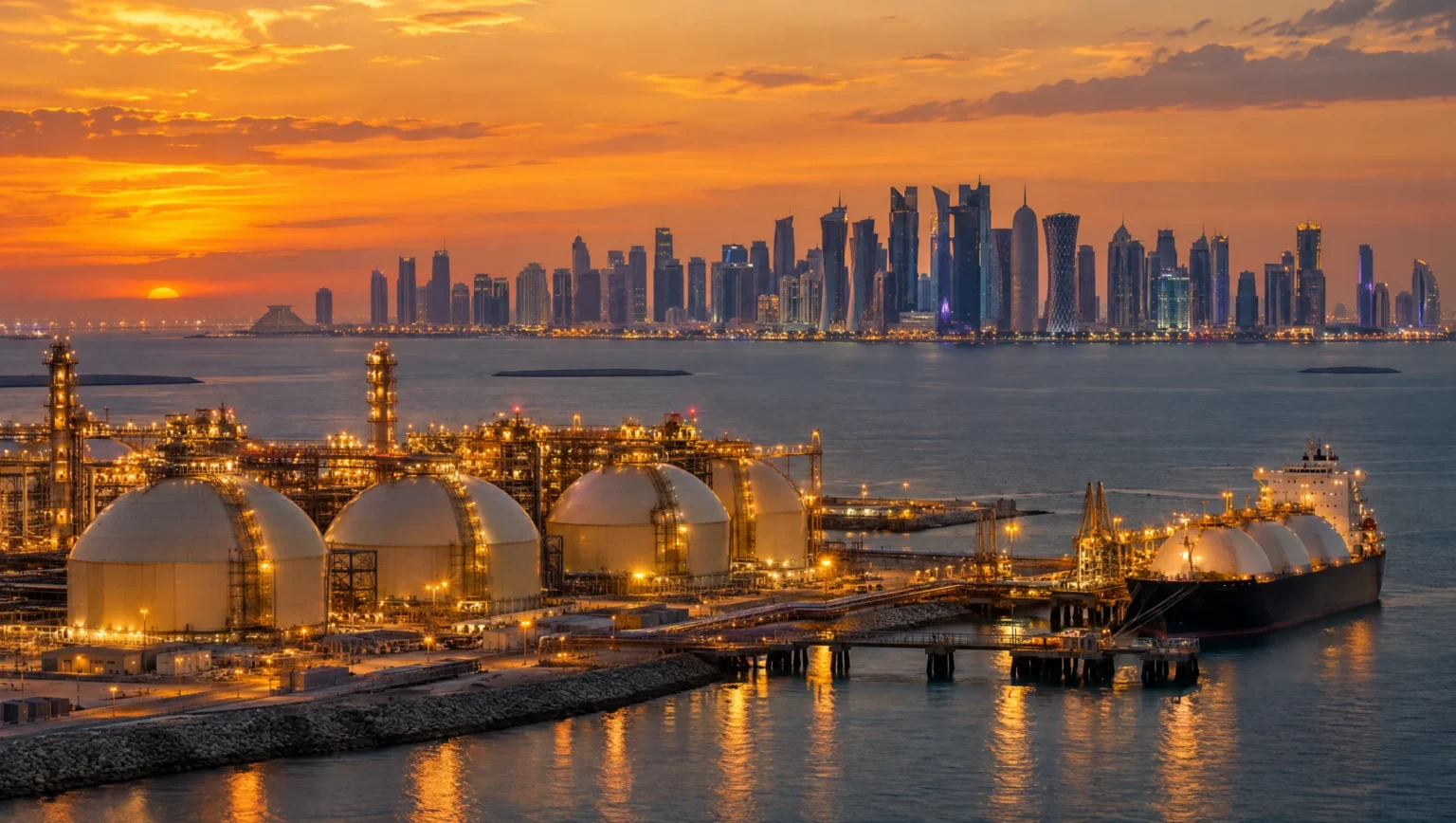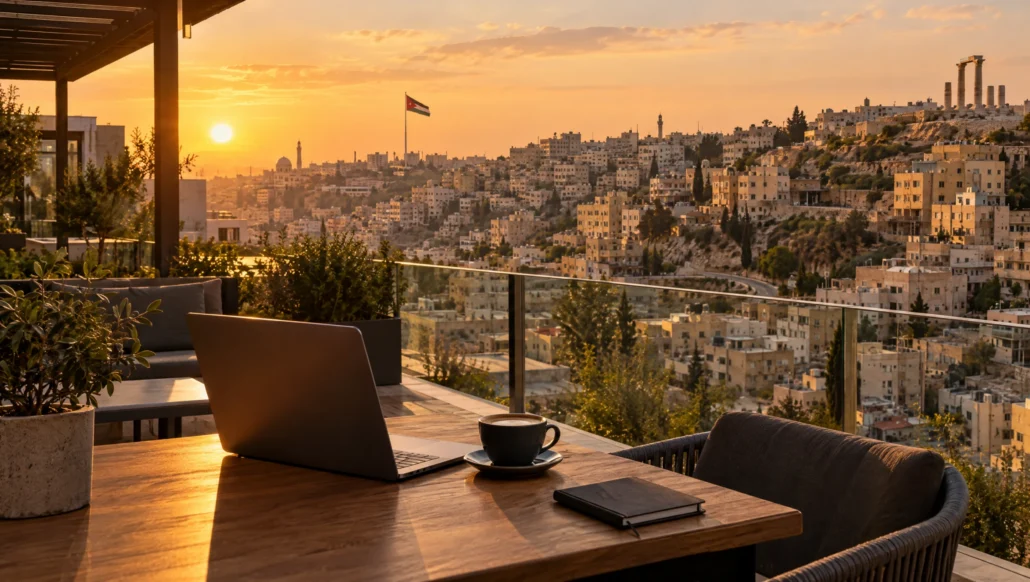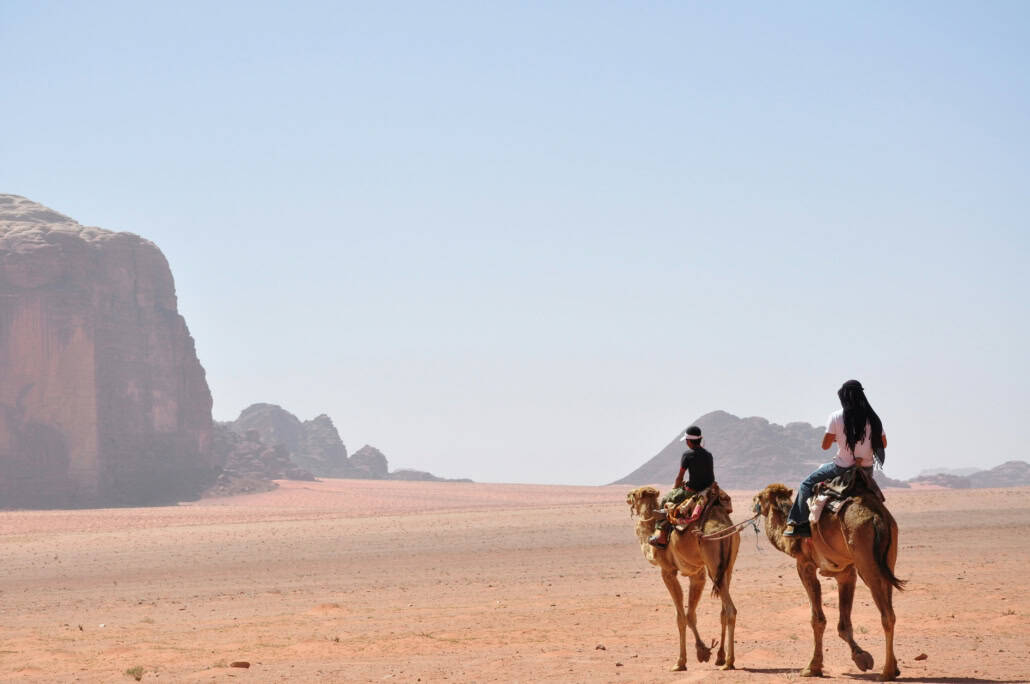
The Middle East is one of the most historically rich and culturally influential regions on Earth. It is the birthplace of major world religions, home to some of the oldest civilizations, and a center of modern innovation and global energy. Stretching across parts of Asia, Africa, and Europe, it is a region where ancient history meets contemporary growth.
Below are some of the most fascinating geographic, cultural, historical, and modern facts about the Middle East — explained clearly and supported with trusted sources.
🏜️ Geographic & Natural Wonders
| Fact |
Description |
Where |
| The Dead Sea is the lowest point on Earth |
About 420 meters (1,378 ft) below sea level |
Border of Israel & Jordan |
| The region contains the world’s largest peninsula |
The Arabian Peninsula covers ~3.2 million sq km |
Saudi Arabia, Oman, UAE, Qatar, Bahrain, Kuwait, Yemen |
| One of the driest climates on Earth |
The Rub’ al Khali (Empty Quarter) desert is nearly waterless |
Saudi Arabia, Oman, UAE |
| Historic cradle of agriculture |
The Fertile Crescent enabled the earliest known farming societies |
Iraq, Syria, Lebanon, Israel, Egypt |
The land’s geography has shaped trade, migration, settlement, and culture for thousands of years.
🏺 Historical Significance & Civilization
| Contribution |
Origin in Middle East |
| First cities and written language |
Sumer & Mesopotamia (modern Iraq) — birthplace of cuneiform and urban society |
| Ancient Egypt |
Developed pyramids, early medicine, and monumental architecture |
| Birthplace of 3 major world religions |
Judaism, Christianity, and Islam all began here |
| Home to Ancient World Wonders |
Pyramids of Giza, Hanging Gardens of Babylon, Lighthouse of Alexandria |
This region is often called the Cradle of Civilization because of its foundational role in human development, writing, law, science, and religion.
🎭 Culture, Languages & Traditions
The Middle East is deeply diverse, with many languages, ethnicities, and traditions.
| Language |
Regions Commonly Spoken |
| Arabic |
Most Middle Eastern countries |
| Persian (Farsi) |
Iran |
| Turkish |
Turkey |
| Kurdish |
Iraq, Turkey, Syria, Iran |
| Hebrew |
Israel |
| Berber, French, and English |
Widely used across North Africa and academic/cultural contexts |
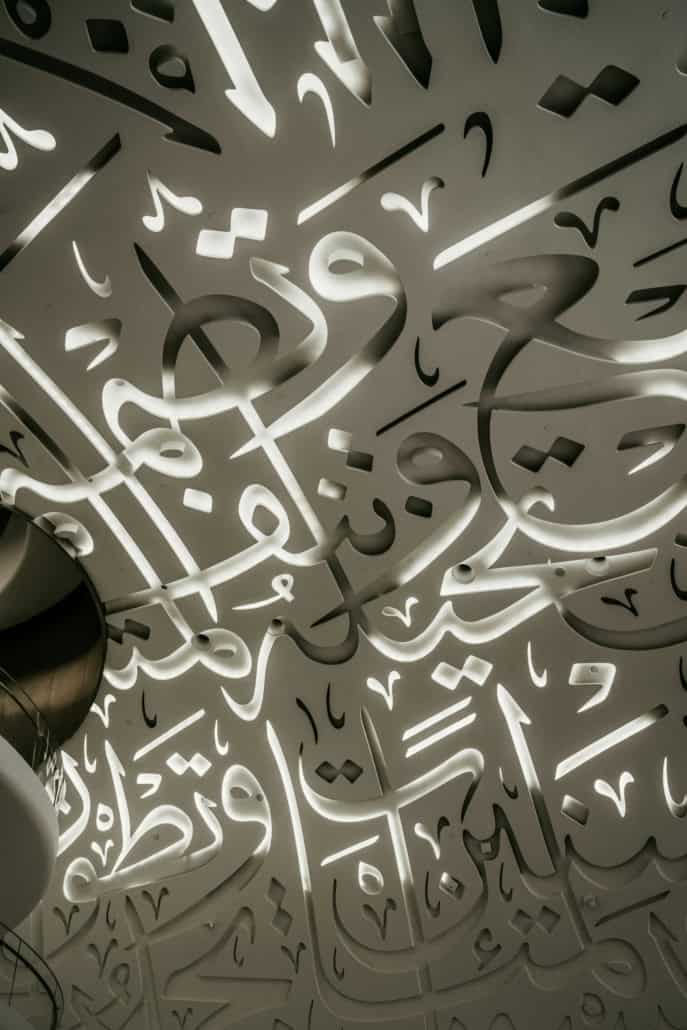
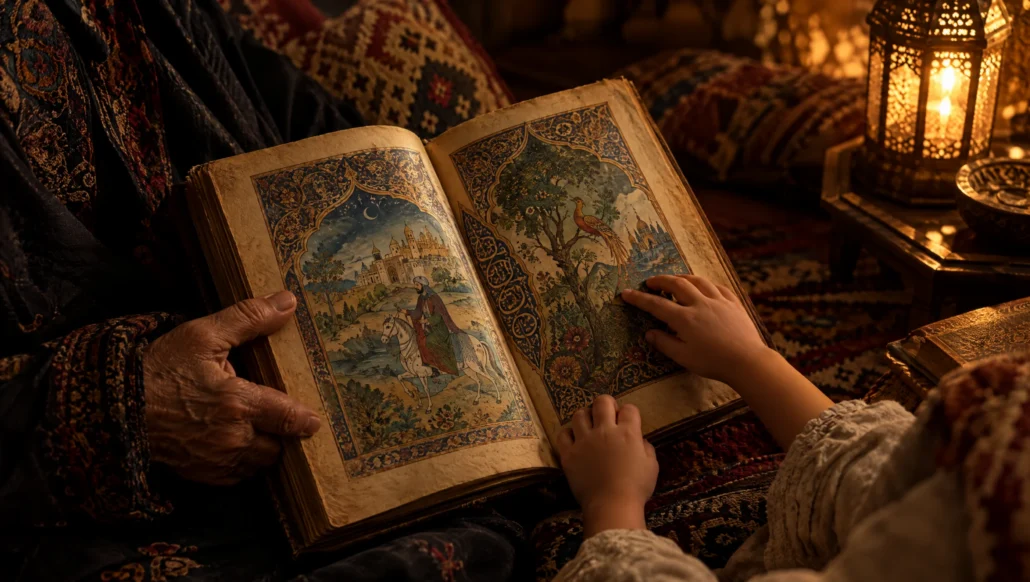
Many countries preserve oral storytelling, poetry, calligraphy, architecture, music, and cuisine passed down across centuries.

🛢️ Modern Economy, Innovation & Global Influence
| Fact |
Significance |
| Over 50% of the world’s proven petroleum reserves are located in the Middle East |
Major global energy provider |
| Rapidly modernizing cities |
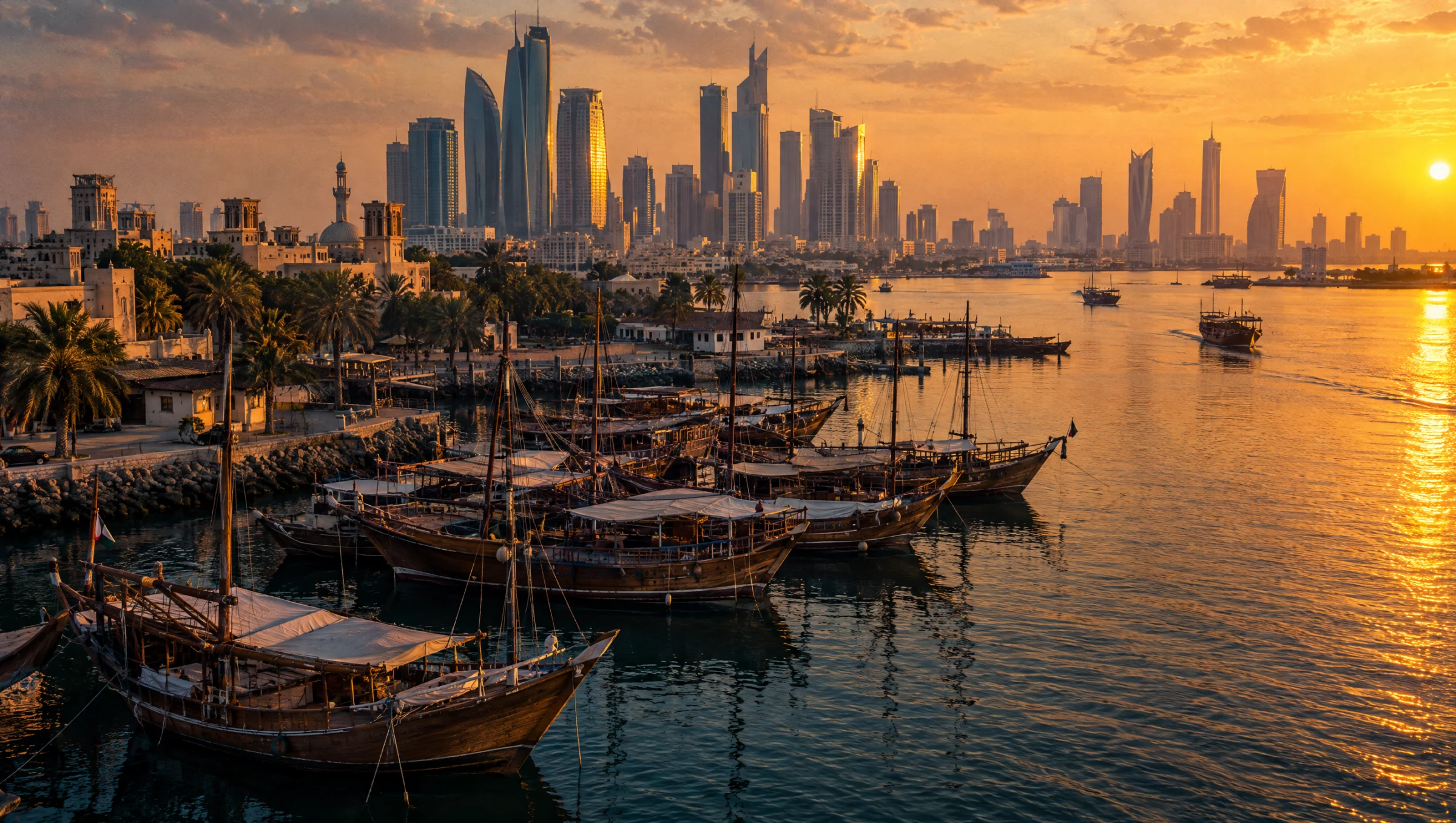
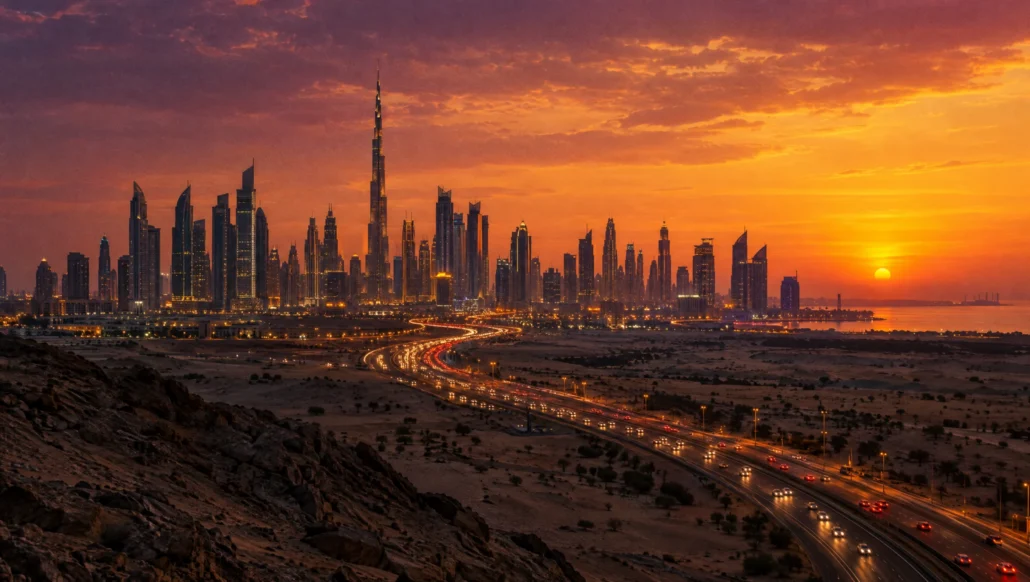
Dubai, Doha, Riyadh, Abu Dhabi are major business and technology hubs |
| World’s tallest building — The Burj Khalifa in Dubai |
Symbol of innovative engineering |
| Coffee has origins in the region |
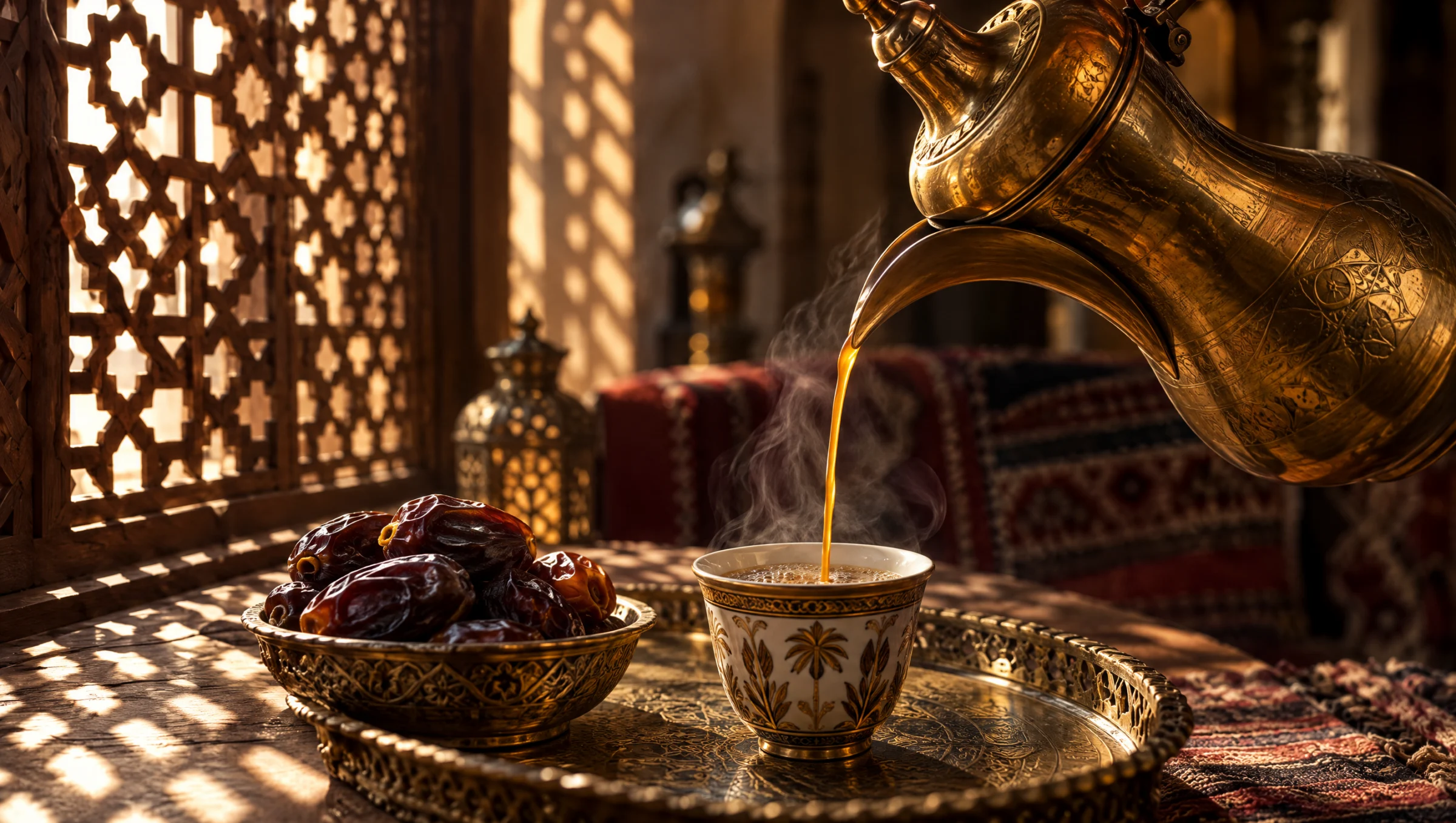
First cultivated and brewed in Yemen before spreading globally |
| Universities of global importance |
Such as American University of Beirut, Cairo University, King Saud University, and Sabancı University |
The region today is a blend of ancient cultural heritage and modern development.
✨ 10 Quick Interesting Facts (Easy to Remember)
-
The Dead Sea is so salty that people float effortlessly.
-
Cuneiform, one of the world’s earliest writing systems, developed in Mesopotamia.
-
Arabic has influenced thousands of modern words — including “algebra” and “coffee.”
-
The Persian Empire was one of the largest empires in world history.
-
More than 400 million people speak Arabic worldwide.
-
The Hajj pilgrimage in Mecca brings millions of Muslims together every year.
-
The Middle East is home to some of the oldest continuously inhabited cities, like Damascus and Jericho.
-
Olive oil, dates, and spices have been staple foods here for thousands of years.
-
Many Middle Eastern homes include majlis spaces for conversation and hospitality.
-
Camel caravans played a major role in ancient trade routes.
❓ Frequently Asked Questions (FAQs)
1. Why is the Middle East called the “Cradle of Civilization”?
Because some of the first cities, governments, writing systems, and agricultural societies originated there, especially in Mesopotamia and Egypt.
2. Which religions started in the Middle East?
Judaism, Christianity, and Islam — collectively known as the Abrahamic religions.
3. What is the most spoken language in the region?
Arabic, although Persian, Turkish, Kurdish, Hebrew, and others are also widespread.
4. Why is the region important for global energy?
Over half of the world’s confirmed petroleum reserves are located in Middle Eastern countries.
5. Which city has the world’s tallest building?
Dubai, in the United Arab Emirates, home of the Burj Khalifa.

📚 References & Source Links
The population map of the Middle East reveals one of the most diverse demographic landscapes in the world. It highlights areas of intense population concentration—especially in fertile river valleys and major urban centers—contrasted with vast sparsely populated deserts across the Arabian Peninsula.
While definitions of the “Middle East” vary, most geographic and cultural references include the Arabian Peninsula, the Levant, Egypt, Turkey, Iran, and sometimes North African neighbors when using the MENA (Middle East and North Africa) framework.
🌍 Understanding Population Density in the Middle East
A population density map uses color shading to show where people are concentrated:
This helps visualize how people cluster around:
-
Rivers (e.g., the Nile River in Egypt)
-
Coastal areas (e.g., Lebanon, Israel, UAE)
-
Urban hubs (e.g., Cairo, Istanbul, Tehran, Riyadh, Dubai)
Meanwhile, deserts and mountain regions have minimal populations.
📊 Most Populous Middle Eastern Countries (Approximate 2025 Estimates)
| Country |
Population (Approx.) |
Key Population Centers |
| Egypt |
~110 million |
Cairo, Alexandria, Giza |
| Turkey |
~85 million |
Istanbul, Ankara, Izmir |
| Iran |
~88 million |
Tehran, Mashhad, Isfahan |
| Iraq |
~45 million |
Baghdad, Basra, Mosul |
| Saudi Arabia |
~36 million |
Riyadh, Jeddah, Dammam |
| Yemen |
~32 million |
Sana’a, Aden |
| Syria |
~22 million (pre-war was ~21-23+) |
Damascus, Aleppo |
Note: Populations shift due to migration, conflict, economic change, and census accuracy.
🏜️ Least Populous Middle Eastern States
| Country |
Population (Approx.) |
Notes |
| Bahrain |
~1.5 million |
Highly urbanized island nation |
| Qatar |
~2.7 million |
Large expatriate workforce |
| Kuwait |
~4.3 million |
Small population, high GDP |
| Oman |
~4.5 million |
Large land area but low density |
| Cyprus |
~1.2 million |
Included in some Middle East definitions |
These countries are small in population, but many are major economic hubs due to natural gas and oil wealth.
🌾 Why Population Clusters Form Where They Do
| Factor |
Impact on Settlement |
| Water sources (Nile, Tigris, Euphrates) |
Densely populated fertile regions |
| Trade routes |
Historic urban development (e.g., Istanbul, Beirut) |
| Oil and economic centers |
Modern population growth in Gulf cities |
| Climate |
Deserts discourage rural settlement |
Example:
Over 95% of Egypt’s population lives within 20 km of the Nile River, while vast areas of the Sahara have near-zero habitation.
🌐 Where to View High-Quality Middle East Population Maps
These maps are updated frequently and are highly useful for research, teaching, journalism, and policy understanding.
📌 Key Insights
-
Population is not evenly distributed — dense cities contrast with uninhabited desert.
-
Egypt is the most populous country in the region (and in Africa).
-
The Gulf States have small native populations but large expatriate communities.
-
Urbanization rates are among the highest in the world, especially in the UAE, Qatar, and Israel.
-
Migration and conflict significantly affect demographic balance.
❓ Frequently Asked Questions (FAQs)
1. Which Middle Eastern country has the highest population?
Egypt, with over 110 million people, largely concentrated along the Nile River.
2. Why is population density low in Saudi Arabia and the Arabian Peninsula?
Most of the Arabian Peninsula is desert, making large-scale settlement historically difficult except near coasts and oases.
3. Why do major cities in the region grow so rapidly?
Economic hubs attract foreign labor, especially in Qatar, UAE, and Saudi Arabia, where expatriates make up significant portions of the population.
4. Which cities are the most populated in the region?
Cairo, Istanbul, Tehran, Baghdad, Riyadh, and Dubai are among the largest.
5. What does MENA mean?
MENA = Middle East and North Africa, a term used by the World Bank and UN agencies to describe shared regional economic and cultural links.
📚 References & Source Links
The Middle East is one of the world’s most complex and dynamic regions—bridging Asia, Africa, and Europe. Yet there is no single, universally agreed-upon list of countries that define it. The meaning of “Middle East” shifts depending on whether the context is geopolitical, cultural, or economic.
Below, we explore how the region is officially and academically defined, answer common questions, and provide references recognized by global institutions such as the World Bank, UN, and Encyclopaedia Britannica.
🧭 What Are the Core Middle Eastern Countries?
Most global definitions agree on a core group of 17–18 countries that make up the Middle East.
These are consistently referenced by WorldAtlas, Britannica, and other scholarly and governmental institutions.
| Country |
Sub-Region |
Notes |
| Bahrain |
Arabian Gulf |
Island monarchy on the Persian Gulf |
| Cyprus |
Eastern Mediterranean |
Sometimes included for its cultural and geographic proximity |
| Egypt |
North Africa / Middle East |
North African state historically tied to the region |
| Iran |
Persian Plateau |
Non-Arab Persian state with major regional influence |
| Iraq |
Mesopotamia |
Cradle of early civilizations |
| Israel |
Levant |
Central to Middle Eastern politics and religion |
| Jordan |
Levant |
Gateway between Arabia and the Levant |
| Kuwait |
Arabian Gulf |
OPEC member with high GDP per capita |
| Lebanon |
Levant |
Historically a Mediterranean trade hub |
| Oman |
Arabian Peninsula |
Strategically located at the Strait of Hormuz |
| Palestine (West Bank & Gaza) |
Levant |
Recognized by many states and the UN as an observer nation |
| Qatar |
Arabian Gulf |
Major global LNG exporter |
| Saudi Arabia |
Arabian Peninsula |
Largest state; birthplace of Islam |
| Syria |
Levant |
Historically rich but politically complex |
| Turkey |
Anatolia / Eurasia |
Transcontinental nation linking Europe & Asia |
| United Arab Emirates |
Arabian Gulf |
Modern economic & transport hub |
| Yemen |
Arabian Peninsula |
Southern tip of Arabia, historically part of trade routes |
🌐 Why Do Definitions Differ?
The boundaries of the Middle East vary because the term is not purely geographic—it’s influenced by history, religion, culture, and global politics.
-
Historical origins: Coined during the British colonial era to describe lands between Europe and Asia.
-
Cultural overlap: The region is a crossroads of Arab, Persian, Turkish, Kurdish, and Semitic cultures.
-
Religious influence: Birthplace of Judaism, Christianity, and Islam.
-
Economic blocs: Organizations like the GCC and OPEC shape modern definitions.
🌍 What Is the “Greater Middle East”?
Academic and diplomatic sources sometimes expand the region to include North African and Horn of Africa countries with strong cultural or economic ties.
| Extended Countries |
Reason for Inclusion |
| Algeria, Morocco, Tunisia, Libya |
Shared Arabic language and Islamic heritage |
| Sudan, Somalia, Djibouti |
Linked through trade, migration, and religious history |
| Afghanistan, Pakistan |
Included in certain geopolitical or security contexts |
This broader grouping is often called the Greater Middle East, especially in academic or strategic studies.
💼 What Is the MENA Region?
The World Bank, IMF, UNICEF, and UN agencies commonly use the term MENA – Middle East and North Africa.
| Classification |
Included Areas |
Used By |
| MENA |
Middle East + North African states (Morocco → Egypt) + sometimes Sudan, Somalia |
World Bank / UN / IMF |
| GCC (Gulf Cooperation Council) |
Saudi Arabia, UAE, Qatar, Bahrain, Kuwait, Oman |
Regional economic alliance |
| Levant |
Lebanon, Syria, Jordan, Israel, Palestine |
Cultural & historical region |
🔍 Summary Comparison
| Definition Type |
Core Countries |
Extended Inclusions |
Example Institution |
| Standard Middle East |
17–18 listed above |
— |
WorldAtlas, Britannica |
| Greater Middle East |
Adds Maghreb nations + Sudan, Somalia |
— |
UNC CMEIS, TeachMideast |
| MENA Region |
Middle East + North Africa |
Djibouti, Somalia, Sudan |
World Bank, UNICEF |
💡 Key Takeaways
-
There is no universal definition, but 18 core countries appear across most sources.
-
Arabian Peninsula, Levant, Egypt, Iran, and Turkey form the foundation.
-
Broader definitions often merge North Africa and the Middle East (MENA) for economic or developmental studies.
-
When clarity is crucial—such as in reports or research papers—use the MENA classification instead of simply “Middle East.”
❓ Frequently Asked Questions (FAQs)
1. Why is Egypt considered part of the Middle East and North Africa?
Egypt connects North Africa and the Middle East, sharing both Arabic culture and historical trade ties through the Suez Canal, a vital link between Asia and Europe.
2. Is Turkey a Middle Eastern or European country?
Turkey spans two continents—its western region (Thrace) lies in Europe, while Anatolia lies in Asia—making it a transcontinental nation that fits both European and Middle Eastern contexts.
3. What does the acronym MENA stand for?
MENA = Middle East and North Africa, a term used by the World Bank, IMF, and UN to describe nations sharing cultural, linguistic, and economic characteristics.
4. Which countries are in the Gulf region?
The Gulf Cooperation Council (GCC) includes Saudi Arabia, UAE, Qatar, Bahrain, Kuwait, and Oman—all key oil-exporting nations bordering the Arabian Gulf.
5. Why is Cyprus sometimes included in the Middle East?
Cyprus lies in the Eastern Mediterranean, just south of Turkey and west of Lebanon. Its geographic proximity and historic trade links often earn it a place in extended definitions.
6. Are Afghanistan and Pakistan part of the Middle East?
Not traditionally. They are part of South Asia, though sometimes included in the Greater Middle East due to geopolitical context and security alliances.
7. Which language is most spoken across the Middle East?
Arabic dominates most nations, followed by Persian (Farsi) in Iran, Turkish in Turkey, and Hebrew in Israel.
8. What religions originated in the Middle East?
The region is the birthplace of the Abrahamic faiths—Judaism, Christianity, and Islam—making it central to global religious heritage.
📚 References & Sources
Arab Wedding Customs and Traditions
An Exploration of Culture, Celebration, and Family Across the Arab World
Why This Topic Matters
Arab weddings are among the most vibrant, symbolic, and community-centered celebrations in the world. They reflect a beautiful mix of religious customs, family values, and regional heritage that vary across countries — from the desert traditions of the Gulf to the Mediterranean festivities of the Levant and North Africa.
For global audiences, understanding Arab wedding traditions offers a window into the diversity and richness of Arab culture, where marriage is not just the union of two individuals but a merging of families, honor, and shared heritage.
From an SEO and AEO perspective, this topic naturally aligns with trending and high-intent searches like:
-
“Arab wedding traditions explained”
-
“What happens at a Saudi or Lebanese wedding?”
-
“Henna night meaning in Arab culture”
-
“Difference between Gulf and North African weddings”
This hub page is designed to answer these questions comprehensively and conversationally, ensuring high engagement, shareability, and visibility in AI Overviews and search results.

🕊️ Pre-Wedding Traditions
| Custom |
Description |
Cultural Significance |
| Engagement (Khitbah) |
The groom’s family formally proposes marriage to the bride’s family. A dowry (mahr) is offered as a symbol of respect and commitment. |
Represents mutual agreement, respect, and family unity. |
| Henna Night (Laylat al-Henna) |
A joyful evening when the bride’s hands and feet are adorned with intricate henna designs, accompanied by singing, dancing, and celebration. |
Henna symbolizes beauty, fertility, and good luck. |
| Bridal Shower / Gifts |
Increasingly popular among younger generations. Friends and family gather to celebrate and offer gifts to the bride. |
A modern adaptation blending Arab and Western influences. |
💡 Did you know?
In some Gulf weddings, the mahr (dowry) can include gold, jewelry, and even perfumes, while in North Africa it’s often a symbolic monetary gift.
💒 The Wedding Ceremony
1. Nikah (Marriage Contract)
In Muslim Arab cultures, the Nikah is the religious and legal contract of marriage. Conducted by an imam or religious authority, it involves mutual consent, witnesses, and an agreed mahr.
-
Spiritual Element: Begins with readings from the Qur’an.
-
Legal Element: Both partners must explicitly agree to the terms.
-
Symbolic Element: The mahr formalizes commitment and respect.
2. The Bride’s Dress
-
White or Traditional: Many brides wear white gowns; others wear ornate caftans (Morocco) or abayas (Gulf).
-
Gold Jewelry: A key feature, symbolizing wealth, blessings, and continuity.
3. The Groom’s Attire
4. The Zaffa (Wedding Procession)
The Zaffa is one of the most iconic Arab wedding traditions — a lively procession featuring drums, music, singing, and dancing that announces the couple’s entrance.
-
In Egypt, the zaffa may include belly dancers and trumpets.
-
In Lebanon and Palestine, it’s often accompanied by dabke (folk dance).
🎉 Post-Wedding Traditions
| Tradition |
Description |
Meaning |
| Wedding Reception |
A large feast featuring regional dishes — lamb, rice, couscous, and sweets — with hours of dancing and live music. |
Symbolizes abundance and hospitality. |
| The First Night |
Celebrated privately or through small family rituals marking the couple’s new life together. |
Represents purity and blessing. |
| Dowry & Gifts |
The mahr is officially presented, and guests bring gifts or money to support the couple’s home. |
Reflects generosity and family support. |
| Honeymoon |
While not traditional, modern Arab couples often travel after the wedding. |
Represents new beginnings. |

🌍 Regional Differences in Arab Wedding Customs
Gulf Countries (Saudi Arabia, UAE, Qatar, Kuwait, Bahrain, Oman)
-
Lavish multi-day weddings with separate celebrations for men and women.
-
Gold and perfume are common gifts for the bride.
-
Music and sword dances (Arda) are traditional highlights.
Levant (Lebanon, Jordan, Syria, Palestine)
-
Weddings feature dabke, a rhythmic line dance symbolizing joy and unity.
-
Large feasts of mezze, kebabs, and pastries are central.
-
The zaffa is often accompanied by live bands and fireworks.
North Africa (Morocco, Algeria, Tunisia, Egypt)
-
Moroccan brides may change outfits multiple times (caftans, takchita).
-
Henna ceremonies are deeply symbolic and ornate.
-
Egyptian weddings are known for their zaffa and belly dance performances.
✨ Symbolism and Cultural Beliefs
| Element |
Meaning |
| Family |
The wedding joins not just two individuals but entire families. |
| Hospitality |
Guests are treated with utmost respect — lavish food and entertainment are central. |
| Blessings & Faith |
Prayers and religious readings are key to ensuring divine blessing. |
| Gold & Henna |
Represent prosperity, protection, and joy. |
📈 Evolution of Arab Weddings
Modern Arab weddings often blend heritage and contemporary influences:
-
Live DJs alongside traditional musicians.
-
Destination weddings in Dubai, Amman, or Marrakech.
-
Social media–inspired décor and luxury photography.
-
Inclusion of global guests while maintaining traditional rites like nikah and zaffa.
📊 Comparative Overview
| Region |
Typical Length |
Main Dance |
Dress Style |
Signature Element |
| Gulf |
2–3 days |
Arda |
Thobe / Abaya |
Gold jewelry & perfumes |
| Levant |
1–2 days |
Dabke |
Western-style gown |
Zaffa & live music |
| North Africa |
3–7 days |
Local folk dances |
Caftan / Takchita |
Henna & multiple outfits |

💬 Frequently Asked Questions
Q1. What is the meaning of the mahr in Arab weddings?
The mahr is a dowry or gift from the groom to the bride. It symbolizes respect, security, and commitment — not a price but a gesture of goodwill and faith.
Q2. Do Arab weddings always have separate men’s and women’s events?
Not always. While common in Gulf countries, mixed gatherings are typical in the Levant and North Africa.
Q3. What is the purpose of the Henna Night?
It’s a joyful pre-wedding ritual symbolizing blessing and protection. Henna is believed to ward off evil and bring luck to the bride.
Q4. Are Arab weddings religious or cultural events?
They are often both. The Nikah fulfills the religious requirement, while the celebrations reflect cultural heritage.
Q5. How long do Arab weddings usually last?
From one night in modern urban settings to week-long festivities in traditional families — depending on region and means.
📚 References & Resources
-
Arab News – Inside the Lavish Traditions of Arab Weddings
-
The National – Wedding Customs in the Middle East
-
BBC Culture – Why Arab Weddings Are the Most Joyous Celebrations
-
Al Jazeera – From Henna to Nikah: A Guide to Muslim Wedding Rituals
-
UNESCO Intangible Heritage – Traditional Arab Music and Dance
🕯️ Final Thoughts
Arab weddings are not just ceremonies — they are cultural symphonies of faith, family, love, and community.
Each song, dance, and shared meal tells a story that spans generations, connecting the past with the present.
Whether in a Bedouin tent, a Beirut ballroom, or a Moroccan riad, the essence remains the same: a celebration of unity, love, and belonging.
Why This Topic Matters
-
Arab cinema has increasingly broken through regional bounds — achieving festival success, Oscar/Golden Globe nominations, and major international box-office or critical recognition.
-
For audiences outside the Arab world, these films offer windows into the diversity, nuance and evolving storytelling of the MENA (Middle East & North Africa) region.
-
From an SEO/AEO/GEO perspective: covering Arab films with international awards taps into interests in film, culture, global cinema, Arabic language cinema — rich keywords and long-tail queries (e.g., “Arab film wins Cannes Palme d’Or”, “Palestinian film Oscar nomination”, etc.).
-
The “hub page” style (overview + deep dives + FAQs + resources) helps keep readers engaged, shows authority, improves dwell time and can attract backlinks.

What Counts as “International Award”
In this article we consider an “international award” to be:
-
A nomination or win at a major international film festival (Cannes, Venice, Berlin, etc.).
-
A nomination or win in prominent international awards (Oscars/Academy Awards, Golden Globes, BAFTAs, etc.).
-
Major box-office/critical recognition outside the country of origin (as indicator of global resonance).
We will flag each film’s major recognition.
Acclaimed Arab Films That Have Earned International Awards
| Film |
Country |
Year |
Key Recognitions |
| Paradise Now |
Palestine |
2005 |
Won Golden Globe for Best Foreign Language Film, nominated for Academy Award for Best Foreign Language Film. Wikipedia+2Arab News+2 |
| Wadjda |
Saudi Arabia |
2012 |
First feature film shot entirely in Saudi, directed by a Saudi female director. International festival wins and BAFTA nomination. |
| Omar |
Palestine |
2013 |
Won Special Jury Prize (Un Certain Regard) at Cannes; nominated for Academy Award for Best Foreign Language Film. The Guardian+1 |
| Capernaum |
Lebanon |
2018 |
Won Jury Prize at Cannes; nominated for Academy Award; became highest-grossing Arabic/Middle Eastern film globally. Wikipedia+2Hollywood Reporter+2 |
| Theeb |
Jordan |
2014 |
Jordan’s first Oscar nomination; won awards at Venice (Horizons) etc. Arab News+1 |
| The Blue Caftan |
Morocco |
2022 |
Won FIPRESCI Prize at Cannes Un Certain Regard; shortlisted for Oscars International Feature; strong overseas reception. Wikipedia |
Note: While this list isn’t exhaustive, it highlights some of the standout Arabic-language films with significant international recognition.
Spotlight: “Paradise Now” (2005)
Directed by Hany Abu‑Assad, this Palestinian film follows two friends recruited for a suicide mission. It won the Golden Globe for Best Foreign Language Film and was nominated for the Oscars. Wikipedia+1
Key takeaway: A bold political subject treated as human drama — which helped it resonate globally.
Spotlight: “Wadjda” (2012)
Directed by Saudi Arabia’s first female feature-film director, Haifaa al‑Mansour, this film tells a seemingly simple story of a girl who wants a bicycle — yet its significance goes deeper into gender and societal norms. Internationally acclaimed and BAFTA-nominated.
Spotlight: “Capernaum” (2018)
Directed by Nadine Labaki, this Lebanese drama centers on a 12-year-old boy living in Beirut’s slums. The film won the Jury Prize at Cannes and was nominated for an Oscar for Best Foreign Language Film. Wikipedia+1
It also became the highest-grossing Arabic/Middle Eastern film internationally. Hollywood Reporter
Spotlight: “The Blue Caftan” (2022)
Directed by Moroccan filmmaker Maryam Touzani, this film broke ground as the first Moroccan film to win the FIPRESCI Prize in Cannes’ Un Certain Regard section and the first to be shortlisted for the Oscars from Morocco. Wikipedia
Its subject matter (a love story set in Moroccan caftan-making workshop) also broadens the narrative scope of Arab cinema on the world stage.
Trends & Insights in Arab Cinema’s Global Breakthrough
-
Increasing Festival Presence – More Arab films are being selected and winning in major international festivals (Cannes, Venice, Berlin).
-
Oscar & International Feature Film Submissions – Numerous Arab countries have been submitting films; a few have advanced to nominations. Ahram Online+1
-
Box Office Reach Beyond Region – Some films are not just festival darlings but commercial successes internationally (e.g., Capernaum in China). Hollywood Reporter
-
Diverse Themes & Perspectives – Beyond political drama, Arab films now explore youth stories, gender, identity, regional histories, intimate human relationships, etc.
-
Female Filmmakers Rising – Women directors from the Arab world are increasingly gaining recognition (e.g., Haifaa al-Mansour, Maryam Touzani).
-
Cultural & Linguistic Bridge – These films often use Arabic (with subtitles) and highlight local settings, thereby offering authenticity while being globally accessible.

Frequently Asked Questions (FAQs)
Q: Are there many Arab films that have won Oscars?
A: Very few. The category of Best International Feature Film (formerly Best Foreign Language Film) has limited nominations each year. For example, Palestine’s “Paradise Now” and “Omar” achieved nominations. Wikipedia+1
Q: Which Arab film won the Palme d’Or (top prize) at Cannes?
A: To date, no Arabic-language film has won the Palme d’Or. Some have won major prizes (e.g., Jury Prize, Un Certain Regard) but not the top prize.
Q: What is the first Saudi feature film by a female Saudi director that achieved international awards?
A: That would be “Wadjda” (2012) by Haifaa al-Mansour — it gained international attention, festival screening, and BAFTA nomination.
Q: How can I watch these films outside the Arab world?
A: Many are available on streaming services (depending on region), or via international film festivals, art-house cinemas, or via DVD/Blu-ray. Some may be region-locked, so check availability in your country.
Q: Do all Arab countries have film industries capable of international awards?
A: Not equally. Some countries (Lebanon, Palestine, Jordan, Morocco, Saudi Arabia) have more visible international presence. Others have less infrastructure or fewer submissions. The international recognition often comes with external co-production, festival support, and distribution.
How to Explore Further
-
Watch curated lists: Many film-institutes or streaming platforms have “Arab cinema” collections.
-
Film festivals: Check festivals’ Arab/Global sections for new releases.
-
Research submissions: See lists of international feature submissions from Arab countries (e.g., via the Oscars website or film-archives).
-
Read interviews: Filmmakers often discuss challenges, context and creative motivations (especially interesting given regional complexities).
-
Academic/industry analysis: Journals on Middle Eastern cinema, journals on world cinema can give context of how Arab films function globally.
References & Sources
-
“Five Arab films that have won international acclaim” – Arab News. Arab News
-
“Capernaum” – Wikipedia article. Wikipedia
-
“List of Academy Award winners and nominees for Best International Feature Film” – Wikipedia. Wikipedia
-
“Arab films submitted to Oscars for Best Int’l Feature Film” – Ahram Online. Ahram Online
-
“What the China Box Office Success of ‘Capernaum’ Means …” – The Hollywood Reporter. Hollywood Reporter
-
“Best Arab Movies for Arab Speakers: A Curated List …” – Vocal Media. Vocal
-
Wikipedia article “The Blue Caftan”. Wikipedia
Final Thoughts
The films featured here do more than just win awards — they represent voices from the Arab world that resonate globally. Whether you’re a cine-fan seeking new stories, or someone curious about global culture, this is fertile ground.
If you like, I can create a longer list (20-30 Arab films with international awards) with trailers, streaming links, filmmaker bios, and perhaps a map of Arab countries showing which films from each country made it big. Would you like me to build that?
1. Introduction
Arab cultural festivals bring together music, art, film, and tradition, celebrating the diversity and creative energy of the Arab world.
From ancient ruins hosting orchestras to modern music events redefining regional soundscapes, these festivals embody both heritage and innovation—bridging centuries of history with contemporary art and performance.
2. Highlighted Arab Cultural Festivals and Concerts (2025)
1. AlUla Arts Festival – Saudi Arabia
Dates: January 16 – February 22, 2025
Set against the stunning landscapes of AlUla, this open-air festival transforms sandstone canyons into vast art installations.
It features immersive exhibitions, live performances, and large-scale sculptures—bridging modern art and ancient heritage.
2. Islamic Arts Festival – Houston, USA
Dates: November 15–16, 2025
Hosted at the University of Houston, this event showcases over 5,000 artworks—from calligraphy and Ebru to sculpture, painting, and henna.
Visitors enjoy live Sufi music, spoken word, films, and food stalls celebrating Arab and Islamic creativity.
3. Gnaoua World Music Festival – Essaouira, Morocco
Dates: Annually in June
A UNESCO-recognized celebration of Gnawa music, blending spiritual rhythms with jazz, blues, and rock.
Drawing up to half a million visitors, this festival exemplifies North Africa’s cultural fusion and artistic openness.
4. Downtown Contemporary Arts Festival (D-CAF) – Cairo, Egypt
Dates: March–April (annual)
Egypt’s largest multidisciplinary arts festival, D-CAF showcases avant-garde theater, dance, film, and experimental music.
The event features local and international performers, with a special Arab Arts Focus highlighting regional talent.
5. Al Bustan Festival – Beit Mery, Lebanon
Dates: February–March (annual)
Held in the mountain town of Beit Mery, this festival features classical music, drama, and dance in intimate venues such as the Emile Bustani Auditorium.
It combines cultural sophistication with scenic charm, offering masterclasses and performances by global artists.
6. Jerash Festival for Culture and Arts – Jordan
Dates: Late July – Early August 2025
Staged amid the ancient Roman ruins of Jerash, this festival celebrates Arab music, poetry, and dance.
Past performers include Fairouz, Kadim Al Sahir, and Majida El Roumi, blending heritage with grandeur.
7. Baalbeck International Festival – Lebanon
Dates: Starting July 25, 2025 (2–3 weeks)
Held in a Roman amphitheater, Baalbeck remains Lebanon’s most prestigious cultural event.
The stage has hosted Umm Kulthum, Miles Davis, Ella Fitzgerald, and many more—making it a symbol of cultural resilience and excellence.
8. El Gouna Film Festival – Egypt
Dates: October 16–24, 2025
A premier film event on Egypt’s Red Sea coast, El Gouna celebrates cinematic artistry through screenings, workshops, and glamorous premieres.
It connects Arab filmmakers with global audiences and promotes regional cinema on an international stage.
9. Visa for Music – Rabat, Morocco
Dates: November 19–22, 2025
An industry-focused showcase for emerging MENA musicians, blending showcases, panels, and performances.
It’s a vital platform for discovering new talent and fostering collaboration between artists, producers, and promoters.
10. XP Music Futures – Riyadh, Saudi Arabia
Dates: December 4–6, 2025
A cutting-edge event driving music innovation in the Arab world.
Featuring workshops, performances, and masterclasses, XP Music Futures reflects Saudi Arabia’s growing creative industry and global cultural ambitions.
11. Sheikh Zayed Festival – Abu Dhabi, UAE
Dates: November 2, 2025 – February 28, 2026
A celebration of heritage and global unity, with country-themed pavilions from across the Arab world.
It combines Emirati tradition with international music, crafts, cuisine, and cultural displays.
12. Seattle Arab Festival (Roots & Radiance) – USA
Dates: July 19–20, 2025
A community-driven festival in the Pacific Northwest that showcases Arab music, dance, cuisine, and art.
Free to the public, it offers cultural exhibits, artisan markets, and family-friendly activities.
13. DC Arab American Culture Festival – Washington, D.C.
Date: May 17, 2025
A one-day cultural celebration featuring Arab music, dance, food, and heritage displays in the U.S. capital.
It fosters intercultural understanding and community pride among Arab Americans.

3. Regional Overview
| Region |
Highlight Festivals & Events |
| GCC / Middle East |
AlUla Arts Festival (Saudi Arabia); D-CAF (Cairo); Al Bustan (Lebanon); Jerash (Jordan); Baalbeck (Lebanon); El Gouna Film Festival (Egypt); Visa for Music (Morocco); XP Music Futures (Riyadh); Sheikh Zayed Festival (Abu Dhabi) |
| North Africa |
Gnaoua World Music Festival (Essaouira, Morocco) |
| North America |
Islamic Arts Festival (Houston); Seattle Arab Festival; DC Arab American Culture Festival |
4. Why These Festivals Matter
Arab cultural festivals aren’t just performances—they’re living celebrations of identity:
-
They preserve ancient art forms while embracing innovation.
-
They unite local communities and global audiences.
-
They amplify Arab voices in music, art, and film on the world stage.
From AlUla’s open-air installations to Baalbeck’s historic amphitheater, these events represent the fusion of history, artistry, and modernity at the heart of Arab culture.
5. References & Sources
-
Arab News – 6 Arab Cultural Festivals to Look Forward to in 2025
-
Houston Chronicle – Islamic Arts Festival 2025
-
Wikipedia – Gnaoua and World Music Festival
-
Wikipedia – Downtown Contemporary Arts Festival (D-CAF)
-
Wikipedia – Al Bustan Festival
-
The National – Middle East Cultural Festival Schedule 2025
-
Wikipedia – Jerash Festival for Culture and Arts
-
Wikipedia – Sheikh Zayed Festival
-
Seattle Arab Festival – Roots & Radiance 2025
-
Event Marriott – DC Arab American Culture Festival 2025
-
ArabFestivals.com – Arab Cultural Events Directory
-
Event Marriott – DC Arab Festival 2025 – Le Méridien Arlington
-
Songkick – Riyadh Concerts and Music Events 2025
-
Eventbrite – DC Arab American Culture Festival 2025
1. Introduction
The Arabic number system, also known as the Hindu–Arabic numeral system, is the foundation of modern mathematics, finance, and science.
Developed through centuries of evolution—from ancient Indian Brahmi numerals to Islamic refinements and European adoption—it introduced concepts like positional notation and zero, transforming how humanity calculates, records, and understands numbers.
2. Positional Notation and Place Value
One of the defining features of the Hindu–Arabic system is its positional notation.
Each digit’s value depends on its position (units, tens, hundreds, etc.), allowing for compact representation and efficient computation.
In Comparison:
-
Roman numerals (I, V, X, L, C, D, M) rely on additive and subtractive combinations without positional value—making arithmetic slow and complex.
-
Egyptian hieroglyphic numerals use repeated symbols for powers of ten, also lacking positional value.
-
Babylonian numerals employed an early positional system but in base-60 and without a true zero.
-
Chinese counting-rod numerals achieved decimal positional notation but coexisted with non-positional character systems.
Result: The Arabic system’s positional logic made arithmetic operations like addition, subtraction, and multiplication fast, scalable, and reliable—essential for trade, engineering, and science.
3. Zero — The Revolutionary Concept
The invention of zero was the single most transformative element in mathematics.
-
The Hindu–Arabic system was the first to treat zero both as a placeholder and as a number in its own right.
-
This innovation allowed for expressing large numbers efficiently and made complex operations—like algebra and calculus—possible.
Other Systems Lacked True Zero:
-
Roman and Egyptian systems: No zero at all.
-
Babylonian: Used a placeholder for absence but not a numerical zero.
-
Chinese counting rods: Represented zero conceptually but not symbolically.
Impact: The integration of zero enabled the development of modern arithmetic, algebra, and computing.
4. Ease of Arithmetic and Mathematical Advancement
The Hindu–Arabic numeral system is highly efficient for calculation because of its structure:
-
Arithmetic operations are simple and consistent.
-
The same rules apply to numbers of any size.
-
It supports negative numbers, fractions, and decimals naturally.
In Comparison:
-
Roman numerals make even basic sums cumbersome (e.g., LIX + VII).
-
Babylonian base-60 calculations were complex and context-dependent.
-
The Hindu–Arabic system simplified everything from merchant accounting to astronomical tables, fueling mathematical innovation worldwide.
5. Historical Spread and Global Adoption
| Stage |
Key Development |
| Origins in India (3rd century BCE) |
Emerged from Brahmi numerals, later refined into Gupta and Nagari forms. |
| Islamic Refinement (8th–9th centuries) |
Mathematicians like Al-Khwarizmi and Al-Kindi formalized the system, adding zero and notation principles. |
| European Transmission (12th–15th centuries) |
Through translation in Spain and works like Fibonacci’s Liber Abaci (1202), the system spread across Europe. |
| Resistance and Dominance |
Despite resistance to replacing Roman numerals, the system’s practicality ensured global dominance by the 15th century. |
This journey—from India to Baghdad to Europe—embodies the collaborative evolution of global mathematical knowledge.
6. Comparative Overview
| Feature |
Hindu–Arabic System |
Roman Numerals |
Egyptian Numerals |
Babylonian (Base-60) |
Chinese Counting-Rods |
| Positional Notation |
✔ Yes (Base-10) |
✖ No |
✖ No |
✔ Yes (Base-60) |
✔ Yes (Decimal) |
| Concept of Zero |
✔ Full use |
✖ None |
✖ None |
➖ Placeholder only |
➖ Conceptual only |
| Arithmetic Ease |
★ Very high |
✖ Low |
✖ Low |
➖ Moderate |
✔ Moderate-high |
| Adoption & Legacy |
Global, dominant |
Legacy & cultural use |
Ancient only |
Influenced time systems |
Historical, now replaced |
7. Why the Arabic System Triumphed
-
Superior Functionality:
Efficient for trade, commerce, and record-keeping.
-
Mathematical Innovation:
Zero and place-value principles made higher mathematics possible.
-
Cultural Transmission:
Spread through Islamic scholarship and European adaptation.
-
Universality:
Compatible with any language, culture, and computational need.
The Hindu–Arabic system became the universal language of mathematics, forming the backbone of science, engineering, and digital computation.
8. Summary
The Hindu–Arabic numeral system surpasses other historical systems through:
-
Positional notation,
-
Inclusion of zero, and
-
Ease of computation.
These breakthroughs reshaped global thought—enabling everything from financial accounting to computer algorithms.
Its adaptability and simplicity explain why every modern society uses this system today.
9. References & Sources
-
Ancient Worlds Archive – Arabic Numerals and Mathematical Contributions
-
Wikipedia – History of the Hindu–Arabic Numeral System
-
Britannica – Hindu–Arabic Numerals
-
Lumen Learning – The Hindu–Arabic Number System
-
Martin Pollins – Roman Numerals: An Explanation
-
Wikipedia – Roman Numerals
-
Wikipedia – Egyptian Numerals
-
Wikipedia – Babylonian Cuneiform Numerals
-
Wikipedia – Chinese Numerals
-
Everything Explained – Arabic Number Overview
-
Infogalactic – Hindu–Arabic Numeral System
-
Shaykhi Blog – Arabic Numerals
-
H-O-M-E.org – Does the Whole World Use Arabic Numerals?
-
Britannica – Numeral Systems Overview
-
Wikipedia – Hindu–Arabic Numeral System
-
RomanDigits.com – Roman Numerals vs. Arabic Numbers
-
Quill & Pad – Face-Off: Arabic vs. Roman Numerals
-
Wikipedia – Arabic Numerals
1. Introduction
Arabic coffee—known as qahwa—is far more than a beverage. It’s a symbol of hospitality, connection, and tradition that has shaped social customs for centuries.
From the Bedouin tents of the Arabian Peninsula to modern cafés in Riyadh, Dubai, and New York, Arabic coffee culture continues to influence how people meet, share, and design spaces around the world.

2. Ritualized Hospitality and Shared Experience
At the heart of Arabic coffee culture lies the ritual of qahwa, where every gesture—from the pouring of coffee with the right hand to serving in small finjān cups—expresses respect, generosity, and connection.
-
Guests are traditionally offered coffee three times, and a subtle shake of the cup signals satisfaction.
-
The host’s role is both ceremonial and social, symbolizing inclusion and honor.
Modern cafés, inspired by this ethos, have adopted hospitality as experience design.
In Saudi Arabia, coffeehouses have evolved from traditional majlis gatherings into dynamic social spaces—blending cultural rituals with the “third place” philosophy of cafés, where people meet, work, and exchange ideas.
3. Café as Community Hub and Cultural Anchor
Historically, Arabic coffeehouses—known as maqhah—were called the “schools of wisdom.”
They were spaces where merchants, poets, and philosophers met to debate politics, literature, and philosophy over cups of strong, spiced coffee.
These venues nurtured community dialogue long before the concept of the modern café emerged in Europe.
Today, their legacy endures:
-
Yemeni coffeehouses such as Qahwah House in the U.S. have become bridges between cultures, serving traditional Yemeni coffee while hosting poetry readings and Iftar gatherings during Ramadan.
-
Across the Middle East, cafés function as cultural anchors, offering not only coffee but also identity and belonging in a fast-changing world.

4. Flavor Traditions and Culinary Fusion
Arabic coffee is famous for its spice-infused flavor, often brewed with cardamom, saffron, or rosewater.
These flavor notes have profoundly influenced the global coffee scene:
-
Cardamom lattes, saffron cappuccinos, and rose mochas now appear in café menus worldwide.
-
Specialty cafés like Tōv Coffee (Portland) blend Arab flavor traditions with Western styles, offering drinks such as the “Cardamom-Caramel Latte” and “Rose Mocha.”
This culinary cross-pollination shows how Arabic sensory aesthetics continue to redefine contemporary coffee culture—balancing tradition and innovation in every cup.
5. Blending Tradition with Global and Local Design
Modern cafés across the Arab world reinterpret heritage through design.
Espresso bars in Riyadh and Dubai combine minimalist interiors with Arabic motifs—displaying dallah pots, local calligraphy, and soft earth tones that evoke Bedouin hospitality.
Globally, design brands like % Arabica reflect this balance:
-
Their minimalist aesthetic, inspired by Japanese simplicity, is often enriched with regional materials and Middle Eastern design cues.
-
This approach merges global café culture with local authenticity—a principle deeply rooted in Arab craftsmanship.
Whether in Jeddah, London, or Kyoto, the Arabic coffeehouse influence appears in every carefully designed communal table and every crafted cup.

6. Nostalgia Meets Modernity: Aesthetic and Social Media Appeal
In today’s Arab world, coffee culture is both heritage and trend.
Cafés in Saudi Arabia and the UAE blend nostalgia with digital-age aesthetics—becoming Instagram-worthy venues that still honor the soul of tradition.
-
Interiors emphasize neutral palettes, textured finishes, and artisanal touches.
-
Cafés host poetry nights, local art exhibits, and storytelling events, reintroducing cultural rituals into modern social life.
-
During Ramadan, many transform into spaces for reflection, community, and post-Iftar gatherings.
This blend of past and present captures the spirit of modern Arab identity—creative, rooted, and globally connected.
7. Summary Table
| Traditional Element |
Modern Influence in Coffee Shops |
| Ritualistic hospitality |
Communal, inclusive environments; personalized service and ceremonial touches |
| Intellectual & social gatherings |
Cultural events, shared workspaces, and “third place” design |
| Spiced flavor profiles |
Arab-inspired drinks (cardamom, saffron, rose) in global menus |
| Symbolic décor & design |
Fusion of local motifs with minimalist global aesthetics |
| Heritage-driven roles |
Community hubs that preserve cultural identity and storytelling |
8. Conclusion
Arabic coffee culture has transcended its origins to shape how the world experiences coffee.
Its influence extends from the ritual of sharing to the architecture of gathering—reminding modern cafés that coffee is not merely consumed, but experienced, respected, and shared.
In essence, qahwa continues to pour warmth into modern life—bridging tradition, artistry, and community in every cup.
9. References & Sources
-
Amanah Trade – Kahwa Coffee: Traditional Heritage and Modern Commercialization
-
Qahwa World – Arabic Coffee: An Ancient Tradition with Global Influence
-
Esquire Middle East – The Saudi Café Moment: How Coffee Fueled Saudis’ Introspective Revolution
-
Saudi Times – From Dallah to Cold Brew: How Coffee Fuels Saudi Life
-
Medium – Saudi Coffee’s Dual Legacy: Tradition Meets Modernity
-
Wikipedia – Coffeehouse
-
Food & Wine – The Yemeni Coffee Boom Is About More Than Coffee
-
The Guardian – Yemeni Cafés Redefine Social Spaces in the U.S.
-
Infused Dubai – Arabic Cafés and Their Cultural Significance
-
Coffee Prices – The Cultural Significance of Coffee in Middle Eastern Society
-
The Proper Kitchen – What Is the Famous Arab Coffee?
-
Wikipedia – Tōv Coffee
-
Memphis Tours – Where Coffee Tells Stories of Hospitality
-
Wikipedia – % Arabica
-
Medium – Revisiting Saudi Coffee Culture: Tradition Meets Transformation
-
Ibru Café – Middle East Coffee Culture: Customizing Machines for Arabic Preferences
-
The Proper Kitchen – What Is Special About Arabic Coffee?
Arabic Customs and Culture
1. Introduction
Arab culture represents one of the world’s oldest and richest civilizations, blending centuries of history, religion, and community. Across 22 Arab nations, traditions vary by region, but shared values—family, hospitality, respect, and faith—remain central to daily life.
2. Family and Kinship
Family is the foundation of Arab society.
-
Families are often large, close-knit, and multigenerational.
-
Elders are respected as guardians of wisdom and heritage.
-
Children are raised to honor parents, care for younger siblings, and maintain family unity.
In many homes, grandparents play an active role in storytelling and moral education, helping to preserve cultural continuity.
As noted by DinoLingo, Arab families emphasize mutual responsibility—“children are taught from a young age to respect their elders and care for the younger ones.”
3. Hospitality and Generosity
Hospitality (karam) is a pillar of Arab culture.
Guests are treated with warmth, generosity, and abundance. Serving coffee, tea, and sweets is customary, and visitors are encouraged to relax and feel at home.
According to the UAE Embassy, this generosity reflects an ancient Bedouin tradition—“guests are honored with open arms and offered the best available provisions.”
Even today, Arab hospitality extends to strangers, symbolizing community trust and solidarity.

4. Social Etiquette
a. Greetings
-
Handshakes are common among men.
-
Close friends may greet with kisses on both cheeks or hugs.
-
Men generally wait for women to initiate a handshake, out of respect.
b. Manners
-
The right hand is used for eating, greeting, or giving gifts.
-
Avoiding pointing with a finger and lowering the gaze when appropriate are marks of politeness.
-
Removing shoes before entering a home is a sign of respect.
The University of Arizona’s Outreach Program notes: “Arab greetings reflect sincerity, warmth, and hierarchy—never rushed, always deliberate.”
5. Food and Dining
Communal eating is one of the most socially significant customs in Arab life.
-
Meals are shared from large platters, reinforcing equality and togetherness.
-
The right hand is used for eating, especially in traditional settings.
-
Leaving a small portion of food signifies satisfaction and gratitude toward the host.
-
Alcohol and pork are generally avoided in observant Muslim households.
As Public Intelligence notes, “the act of sharing food is both an expression of generosity and social bonding.”
6. Dress and Modesty
Dress varies widely between countries—from the traditional abaya and thobe to modern Western attire.
Modesty remains a key value; clothing is expected to be neat and respectful, especially in public or religious contexts.
-
In Gulf countries, men often wear a kandura (robe) and women an abaya, with or without a headscarf.
-
In more liberal Arab societies, styles mix traditional elements with global fashion trends.
Mueller & Sohn notes that Arab clothing “reflects social values, climate, and faith—sometimes more liberal, sometimes more conservative.”

7. Core Cultural Values
Arab culture emphasizes timeless virtues that shape both personal conduct and social life:
| Value |
Meaning |
| Respect |
Toward elders, guests, and social hierarchy. |
| Generosity |
Open hospitality and charity are moral duties. |
| Community |
Collective responsibility over individualism. |
| Faith |
Religion guides ethics, rituals, and identity. |
| Honor (Sharaf) |
Central to family and personal reputation. |
As Artivira explains, “Arab culture celebrates generosity as both a moral and aesthetic expression of identity.”
8. Conclusion
Arabic customs and culture weave together hospitality, family devotion, modesty, and mutual respect.
From the warmth of shared meals to the courtesy embedded in greetings, Arab traditions form a living heritage that continues to influence social life across the world.
9. References & Sources
-
Arab Academy – Arabic Customs and Traditions
-
Talk In Arabic – Arabic Traditions, Culture & Customs
-
Arab Academy – Values of the Arabic Culture You Need to Know
-
UK Linkology – Arabic Customs PDF
-
UAE Embassy – Culture and Travel Guidelines
-
Quora – Arab Traditions from an Outsider’s Perspective
-
The University of Arizona – Arab Customs and Culture Handout
-
Artivira – Arab Hospitality and Creativity
-
Public Intelligence – Cultural Awareness: Arab Society
-
DinoLingo – Arab Family Values
-
Mueller & Sohn – Clothing in Islam
-
Simple Wikipedia – Islam and Clothing
1. Introduction
Arab culture represents one of the world’s oldest and richest civilizations, blending centuries of history, religion, and community. Across 22 Arab nations, traditions vary by region, but shared values—family, hospitality, respect, and faith—remain central to daily life.

2. Family and Kinship
Family is the foundation of Arab society.
-
Families are often large, close-knit, and multigenerational.
-
Elders are respected as guardians of wisdom and heritage.
-
Children are raised to honor parents, care for younger siblings, and maintain family unity.
In many homes, grandparents play an active role in storytelling and moral education, helping to preserve cultural continuity.
As noted by DinoLingo, Arab families emphasize mutual responsibility—“children are taught from a young age to respect their elders and care for the younger ones.”
3. Hospitality and Generosity
Hospitality (karam) is a pillar of Arab culture.
Guests are treated with warmth, generosity, and abundance. Serving coffee, tea, and sweets is customary, and visitors are encouraged to relax and feel at home.
-
Refusing food or drink is considered impolite.
-
Hosts often insist multiple times before a guest accepts.
-
According to the UAE Embassy, this generosity reflects an ancient Bedouin tradition—“guests are honored with open arms and offered the best available provisions.”
Even today, Arab hospitality extends to strangers, symbolizing community trust and solidarity.

4. Social Etiquette
a. Greetings
-
Handshakes are common among men.
-
Close friends may greet with kisses on both cheeks or hugs.
-
Men generally wait for women to initiate a handshake, out of respect.
b. Manners
-
Using the right hand for eating, greeting, or giving gifts is a deep cultural norm.
-
Avoiding pointing with a finger and lowering the gaze when appropriate are marks of politeness.
-
Removing shoes before entering a home is a sign of respect.
The University of Arizona’s Outreach Program notes: “Arab greetings reflect sincerity, warmth, and hierarchy—never rushed, always deliberate.”
5. Food and Dining
Communal eating is one of the most socially significant customs in Arab life.
-
Meals are shared from large platters, reinforcing equality and togetherness.
-
The right hand is used for eating, especially in traditional settings.
-
Leaving a small portion of food signifies satisfaction and gratitude toward the host.
-
Alcohol and pork are generally avoided in observant Muslim households.
As Public Intelligence notes, the act of sharing food “is both an expression of generosity and social bonding.”

6. Dress and Modesty
Dress varies widely between countries, from the traditional abaya and thobe to modern Western attire.
-
Modesty remains a key value—clothing is expected to be neat and respectful, especially in public or religious contexts.
-
In Gulf countries, men often wear a kandura (robe) and women an abaya with or without a headscarf.
-
In more liberal Arab societies, styles mix traditional elements with global fashion trends.
Mueller & Sohn notes that Arab clothing “reflects social values, climate, and faith—sometimes more liberal, sometimes more conservative.”
7. Core Cultural Values
Arab culture emphasizes timeless virtues:
| Value |
Meaning |
| Respect |
Toward elders, guests, and social hierarchy. |
| Generosity |
Open hospitality and charity are moral duties. |
| Community |
Collective responsibility over individualism. |
| Faith |
Religion guides ethics, rituals, and identity. |
| Honor (Sharaf) |
Central to family and personal reputation. |
As Artivira explains, “Arab culture celebrates generosity as both a moral and aesthetic expression of identity.”

8. Conclusion
Arabic customs and culture weave together hospitality, family devotion, modesty, and mutual respect. From the warmth of shared meals to the courtesy in greetings, Arab traditions form a living heritage that continues to influence social life across the world.
9. References & Sources
-
Arab Academy – Arabic Customs and Traditions
-
Talk In Arabic – Arabic Traditions, Culture & Customs
-
Arab Academy – Values of the Arabic Culture You Need to Know
-
UK Linkology – Arabic Customs PDF
-
UAE Embassy – Culture and Travel Guidelines
-
Quora – Arab Traditions from an Outsider’s Perspective
-
The University of Arizona – Arab Customs and Culture Handout
-
Artivira – Arab Hospitality and Creativity
-
Public Intelligence – Cultural Awareness: Arab Society
-
DinoLingo – Arab Family Values
-
Mueller & Sohn – Clothing in Islam
-
Simple Wikipedia – Islam and Clothing