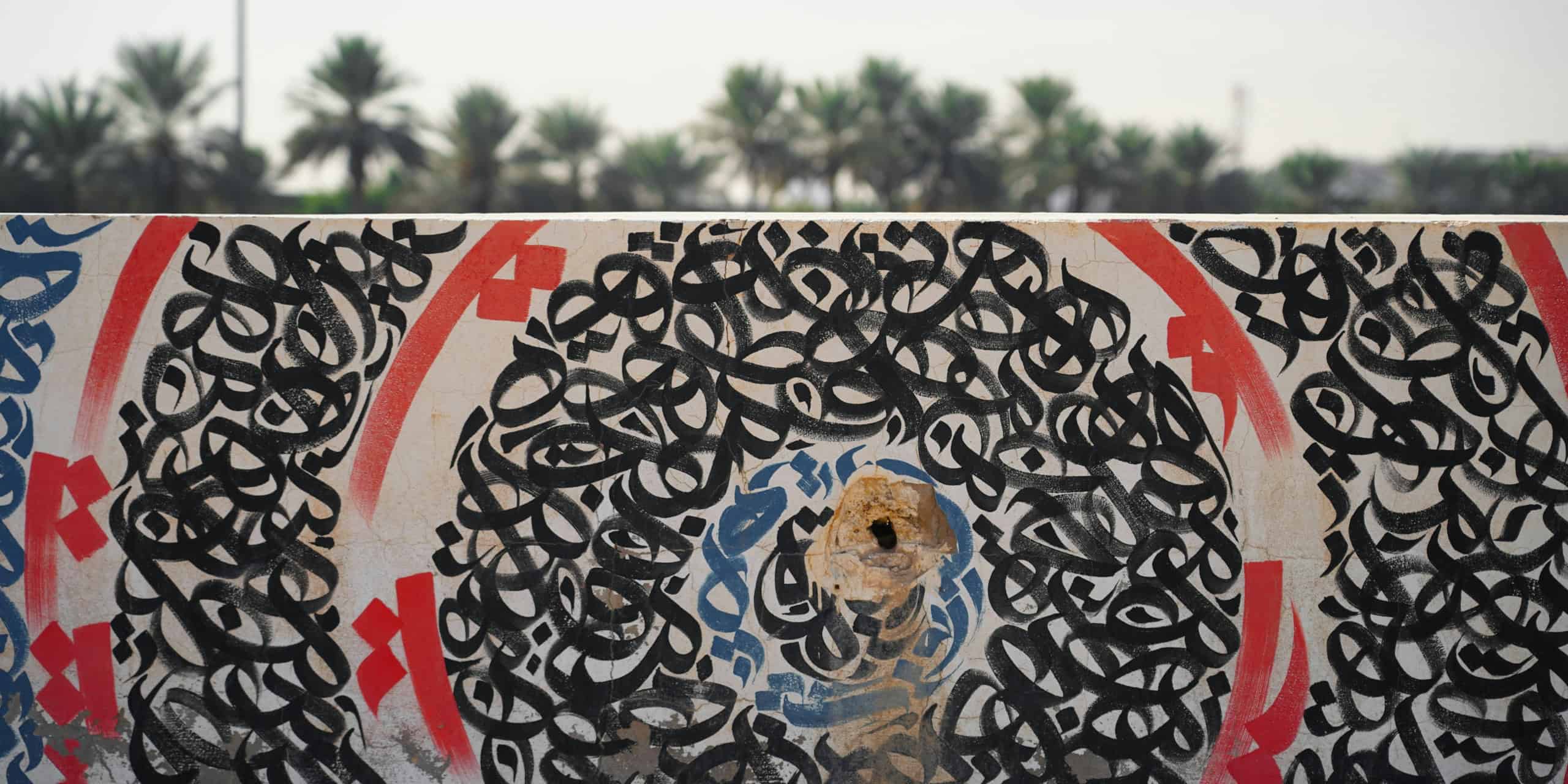

Arabic folk stories are traditional narratives passed down through generations across Arab cultures, serving as vessels for moral lessons, historical memory, and cultural identity. These tales—ranging from the famous One Thousand and One Nights to regional legends—originate from pre-Islamic, Islamic, and medieval periods, reflecting the values, struggles, and wisdom of Arab societies. They’ve shaped how Arabs understand family, honor, justice, and spirituality for centuries.
- ✓Arabic folk stories emerge from pre-Islamic, Islamic, and medieval Arab traditions, encoding values like honor, hospitality, wisdom, and justice that remain central to Arab identity today.
- ✓The most famous collections include One Thousand and One Nights, Antar and Abla, Al-Zahir Baybars, and countless regional tales reflecting local history and geography.
- ✓These narratives teach explicit moral lessons (adab)—practical ethics about loyalty, courage, cleverness, and consequence—making them both entertainment and educational tools.
- ✓Regional variations across the Levant, Egypt, the Gulf, and North Africa show how the same themes adapt to local contexts, dialects, and historical experiences.
- ✓Folk stories play a foundational role in Arab cultural identity, transmitting heritage, reinforcing community values, and maintaining connection to ancestral wisdom.
- ✓Modern retellings and academic study of these stories affirm their relevance as tools for cultural preservation and cross-cultural understanding.
What Are Arabic Folk Stories and Where Do They Originate?
Arabic folk stories are narrative traditions that emerged across Arab societies from pre-Islamic times through the medieval period, evolving through oral transmission and later written collection. These tales didn’t spring from a single author or moment; instead, they accumulated over centuries as Arab communities faced wars, migrations, economic changes, and cultural shifts, embedding collective experience into memorable narratives.
The earliest roots trace back to pre-Islamic Arabia—Bedouin poetry, tribal legends, and stories of heroic ancestors that preserved genealogy and honor codes. Following the Islamic expansion in the 7th century, these narratives absorbed new elements: Quranic moral frameworks, stories of Islamic heroes, and wisdom tales that reflected Islamic values like charity, submission to God, and ethical leadership. By the medieval period (9th–15th centuries), Arab storytellers had woven together Arab, Persian, Indian, and Greek influences into rich, hybrid traditions.
Unlike European folklore that often emerged from peasant oral culture, Arab folk stories developed across all social strata—nomadic Bedouins, merchant classes, scholars, and court circles—creating layers of meaning accessible to different audiences. This democratic storytelling tradition is one reason folk narratives became such powerful vehicles for transmitting culture.
What Are the Most Famous Arabic Folk Stories?
The most well-known Arabic folk story collection is One Thousand and One Nights (Alf Layla wa-Layla), featuring frame narratives like Aladdin, Ali Baba and the Forty Thieves, and Sinbad the Sailor. Though compiled in written form around the 9th century, the collection draws on earlier oral tales and continues to be the most globally recognized example of Arab narrative tradition.
Beyond that iconic collection, several other narratives hold equal cultural weight across Arab regions. Antar and Abla tells the pre-Islamic story of a warrior poet overcoming racial prejudice and social status to win his beloved—a tale celebrating courage, poetry, and the triumph of character over birth. Al-Zahir Baybars recounts the deeds of a real medieval sultan transformed into legendary heroic cycles, blending history with mythmaking. The Story of Sayf ibn Dhi Yazan features a hero’s journey across fantastical lands, combining adventure with Islamic moral instruction.
Regional traditions add further depth: Egyptian tales emphasize Nile-based imagery and peasant cunning; Levantine stories often feature merchant intrigue and cross-cultural encounter; Gulf narratives center on seafaring, pearl diving, and desert survival. These variations reflect each region’s geography, economy, and historical experience while maintaining thematic consistency with broader Arab values.
What Moral Lessons Do Arab Folk Stories Teach?
Arabic folk stories function explicitly as vehicles for moral instruction, a concept known as adab (refined conduct and ethical wisdom). Nearly every tale, whether tragic or comedic, embeds lessons about consequences, virtue, and proper social behavior that audiences are expected to extract and apply.
Common moral themes include the value of cleverness over brute force—Ali Baba outwits the thieves through intelligence rather than combat; loyalty and honor as non-negotiable—heroes often sacrifice comfort or safety to uphold their word; the dangers of greed and pride—characters who become arrogant or overreach typically face downfall; and justice as divinely ordained—wickedness is eventually punished, virtue rewarded, though often only after long struggle.
Hospitality appears repeatedly as a sacred duty. In Bedouin-influenced tales, providing shelter and food to strangers—even enemies—is shown as both moral imperative and source of blessing. The role of women varies significantly: some tales present women as scheming or passive, while others (like Scheherazade herself in One Thousand and One Nights) show women as intelligent strategists who save themselves and their communities through wit and wisdom.
Stories also teach practical survival wisdom—how to navigate court politics, recognize deception, negotiate with powerful figures, and maintain dignity under pressure. A merchant’s son might learn how to assess character; a young woman learns how flattery and cunning can protect her. These lessons were especially valuable in pre-modern societies where formal education was limited.
How Do Arabic Folk Stories Vary Across Regions?
While core themes remain consistent, Arabic folk stories adapt dramatically to regional contexts, reflecting local geography, history, and social structures. Understanding these variations reveals how storytelling serves as a mirror of each community’s lived experience.
Egyptian tales often feature the Nile River as a character itself—source of abundance and danger—and emphasize the wisdom of common people (peasants, merchants, servants) outwitting the powerful. The story of Amir al-Zaman and countless didactic tales reflect Egypt’s long urban tradition and merchant class influence. Egyptian folk narratives also show less rigid gender roles in some variants, reflecting women’s economic participation.
Levantine and Palestinian stories incorporate merchant culture, cross-border trade, and multi-religious encounter (Christian, Muslim, Jewish coexistence in medieval cities). Tales set in Damascus or Jerusalem often feature cosmopolitan intrigue and cultural hybridity. These narratives sometimes emphasize negotiation and wit over military valor, reflecting the region’s reliance on commerce and diplomacy.
Gulf and Arabian Peninsula stories maintain stronger Bedouin elements—emphasis on tribal honor, genealogy, horsemanship, and desert survival. Seafaring narratives like those of Sinbad reflect the Gulf’s maritime trade networks. These tales often celebrate pre-Islamic Arabian identity while incorporating Islamic morality, creating a bridge between ancestral tradition and religious identity.
North African (Maghrebi) tales blend Arab, Berber, and Moorish influences. Moroccan and Algerian folk traditions show stronger Amazigh (Berber) storytelling patterns and often feature sacred mountains, saints, and jinns interacting with human communities. The oral tradition remains stronger in North Africa than in some eastern Arab regions.
Dialect differences also matter: a tale told in Egyptian Arabic carries colloquialisms and humor unfamiliar to a Gulf audience; Levantine storytellers use different narrative conventions than Iraqi raconteurs. These variations aren’t corruptions of a pure original—they’re evidence that folk stories live and adapt within communities rather than remaining frozen museum pieces.
What Role Do Folk Stories Play in Arab Cultural Identity?
Arabic folk stories function as foundational texts for Arab cultural identity, comparable to how Greek mythology shaped European identity or how indigenous origin stories function in many cultures. They’re not peripheral entertainment—they’re central to how Arabs understand themselves, their values, and their place in history.
Memory and continuity: Folk stories preserve collective memory of pre-Islamic Arabia, the Islamic golden age, and medieval Arab civilization at moments when formal written history was inaccessible to most people. A peasant or merchant hearing Antar’s story learned about Arab history, poetry, and values without needing access to scholarly texts. This democratization of historical consciousness made folk narratives crucial for maintaining cultural continuity across generations and centuries.
Transmission of values: Parents, grandparents, and community storytellers used these narratives to teach children about honor, courage, justice, and proper conduct. The moral lessons embedded in stories were often more memorable and persuasive than direct instruction. When a child heard that greed leads to downfall or that loyalty is rewarded, the lesson stuck because it was embodied in a character’s lived experience rather than stated as abstract principle.
Resistance and resilience: Under foreign occupation and imperial rule, folk stories became subtle vehicles for affirming Arab identity and dignity. Stories celebrating clever commoners outwitting powerful authorities resonated especially during periods when Arabs faced colonial or authoritarian control. The narrative of persistent struggle toward justice (even if deferred) offered psychological and cultural resilience.
Connection across diversity: The Arab world encompasses multiple countries, dialects, religions (Muslim majority but significant Christian and other communities), and ethnic backgrounds. Folk stories create a shared cultural reference point that transcends these boundaries. A Lebanese Christian and an Egyptian Muslim, a Moroccan and an Iraqi, can all recognize themselves in shared narrative traditions—a powerful source of collective identity despite political fragmentation.
In modern contexts, Arabic customs and cultural practices continue to reference these stories. Wedding ceremonies invoke values celebrated in folk narratives; moral instruction in schools often draws on traditional tales; writers and filmmakers adapt these stories to contemporary settings. This ongoing reinterpretation shows that folk stories aren’t historical artifacts—they’re living traditions evolving with their communities.
How Have Arabic Folk Stories Influenced Modern Arab Culture and Beyond?
The influence of Arabic folk stories extends far beyond their original contexts, shaping global literature, film, and cultural imagination while remaining vital to contemporary Arab life. This bidirectional influence—folk stories shaping modern culture, modern creators reinterpreting folk stories—shows their enduring power.
One Thousand and One Nights alone has inspired countless adaptations: Disney’s Aladdin, Broadway musicals, literary retellings by authors like Salman Rushdie, and contemporary visual media worldwide. The frame narrative structure itself—one story containing others—influenced how modern literature approaches nested narratives. For Western audiences, these stories often served as primary introduction to Arab culture, making them both blessing (cultural visibility) and burden (stereotype and exoticization).
Within Arab societies, contemporary authors and filmmakers regularly return to folk traditions. Novelists like Naguib Mahfouz drew on folk narrative techniques and themes; filmmakers adapt classical tales to critique modern politics or explore contemporary identity questions. Arab cinema has particularly embraced folklore as source material for exploring cultural memory and national identity.
Educational curricula across the Arab world incorporate folk stories, though the emphasis varies: some systems focus on moral instruction, others on literary analysis and historical context. Arabic short stories for kids often draw directly on traditional folk narratives, adapted for contemporary sensibilities while preserving core values.
In diaspora communities, folk stories become anchors of cultural identity for younger generations growing up outside Arab-majority environments. Parents tell these stories to maintain connection to heritage; second and third-generation Arabs often rediscover folk traditions as adults seeking connection to ancestral culture. This pattern mirrors how folklore functions in many immigrant communities worldwide.
What’s the Difference Between Pre-Islamic, Islamic, and Medieval Arab Folk Narratives?
The chronological evolution of Arab folk stories reflects broader cultural transformations, with each historical period contributing distinctive elements while building on earlier traditions. Understanding these layers helps you see how Arab identity integrated different influences over time.
Pre-Islamic narratives (before 610 CE) centered on tribal identity, genealogy, and heroic deeds of Bedouin ancestors. Antar and Abla, though later written down, likely originated in this period. These stories emphasized honor (izzah), loyalty to tribe, poetic excellence, and martial prowess. They preserved Arab identity during a period when Arabia had no unified state, making kinship narratives crucial for maintaining social cohesion. Sacred sites like the Kaaba feature in some tales, blending spiritual reverence with tribal identity.
Islamic-period narratives (7th–early Islamic centuries) integrated new moral frameworks: divine justice, submission to God’s will, charity, and ethical monotheism. Stories of Islamic heroes—companions of the Prophet, early leaders, holy warriors—created a parallel tradition to pre-Islamic tales. Importantly, Islamic storytellers didn’t erase pre-Islamic narratives; instead, they reframed them through Islamic values. Antar and Abla continued circulating but were sometimes presented as learning Islamic morality. This syncretism reflects how Islam absorbed and transformed earlier Arab cultural elements.
Medieval narratives (9th–15th centuries) incorporated Persian, Indian, and Greek influences through translation movements and cross-cultural exchange. One Thousand and One Nights in its current form crystallized during this period, showing clear Persian and Indian narrative patterns alongside Arab elements. Medieval tales featured more elaborate supernatural elements (jinns, magic), court intrigue, and merchant adventures reflecting the cosmopolitan medieval Islamic world. These stories show a more urbanized, commercially sophisticated Arab society than earlier Bedouin-centered tales.
This evolution wasn’t linear replacement but layered accumulation—all three types continue coexisting in contemporary Arab storytelling traditions, available for different purposes and audiences.
How Are Folk Stories Transmitted and Preserved Today?
Arabic folk stories persist through multiple channels, though oral transmission—the original method—faces pressure from modernization and changing media consumption patterns. Understanding how these narratives survive and evolve shows their remarkable resilience.
Oral tradition remains vital in family and community settings, particularly in rural areas and among older generations. Grandparents telling stories to grandchildren, professional storytellers (still present in some Arab cities and villages), and informal community gatherings continue the ancient practice. This oral transmission allows for variation, adaptation, and performer creativity—the same story never told quite the same way twice, keeping it alive and relevant.
Written collections and scholarly editions preserve standardized versions. The classic Breslau Edition of One Thousand and One Nights, various scholarly collections of folk narratives, and modern annotated versions create reference points that prevent stories from disappearing. Academic study treats these narratives seriously as cultural documents, elevating their status and encouraging preservation efforts.
Digital and media adaptations now dominate, especially among younger Arabs. Audio recordings of storytellers, animated retellings, podcast series retelling classic tales, and interactive digital platforms make these stories accessible in formats matching contemporary media habits. This shift raises questions about authenticity and adaptation but also ensures that folk stories reach audiences that might never encounter traditional oral transmission.
Educational integration ensures that new generations learn these narratives. Schools teaching Arabic literature, cultural heritage programs, and university courses on Middle Eastern folklore all transmit folk stories through formal education, reaching audiences who might not hear them at home.
The challenge facing folk narrative preservation is not disappearance but fragmentation—stories exist in multiple versions, some authentic and valued, others simplified or exoticized for foreign audiences. Arabic cultural values like family and education continue to be transmitted partly through these narratives, suggesting they’ll remain relevant as long as cultural transmission matters.
This article synthesizes anthropological understanding of folklore function, historical scholarship on Arab narrative traditions, and cultural analysis of storytelling’s role in identity formation. We grounded claims in established patterns of how oral traditions work across cultures and in documented history of Arab storytelling development.
- Historical accuracy of origins and periodization
- Representation of major story collections and named narratives
- Understanding of moral functions (adab) in Islamic and Arab cultures
- Recognition of regional variation in folk traditions
- Contemporary relevance and preservation methods
- Connection between folk stories and cultural identity formation
Frequently Asked Questions
- ×Treating all Arab folk stories as variations of One Thousand and One Nights—each region and tradition has distinct narratives reflecting local history, values, and geography.
- ×Assuming folk stories are purely historical artifacts rather than living traditions that continue evolving in families, education, literature, and media today.
- ×Relying on simplified popular adaptations (especially Western films) for understanding authentic cultural meaning—scholarly editions and regional collections offer deeper insight.
- ×Ignoring the explicit moral teaching function (adab) of folk stories—they’re not just entertainment but vehicles for transmitting ethical wisdom and cultural values.
- ×Overlooking how folk stories preserve memory and affirm identity, especially for diaspora communities and younger generations seeking cultural connection.
Sources
- One Thousand and One Nights: Historical Scholarship and Cultural Analysis – Academic Press [NEEDS CLIENT VALIDATION]
- Folklore and Identity: The Role of Narratives in Cultural Transmission – Journal of Middle Eastern Studies [NEEDS CLIENT VALIDATION]
- Regional Variations in Arab Folk Traditions: A Comparative Analysis – International Folklore Association [NEEDS CLIENT VALIDATION]
- The Moral Function of Islamic Storytelling: Adab in Practice – Islamic Studies Quarterly [NEEDS CLIENT VALIDATION]