How Arab Culture Has Influenced Global Art and Literature

How Arab Culture Has Influenced Global Art and Literature

1. Introduction

Arab culture has profoundly shaped the evolution of global art, architecture, and literature, leaving a lasting impact from Andalusian Spain to modern design studios and contemporary world fiction.
Through centuries of exchange—across trade routes, translation movements, and artistic collaborations—the Arabic language, aesthetics, and imagination have inspired artistic and literary traditions around the world.

2. Visual Arts and Architecture

a. Arabesque and Geometric Design

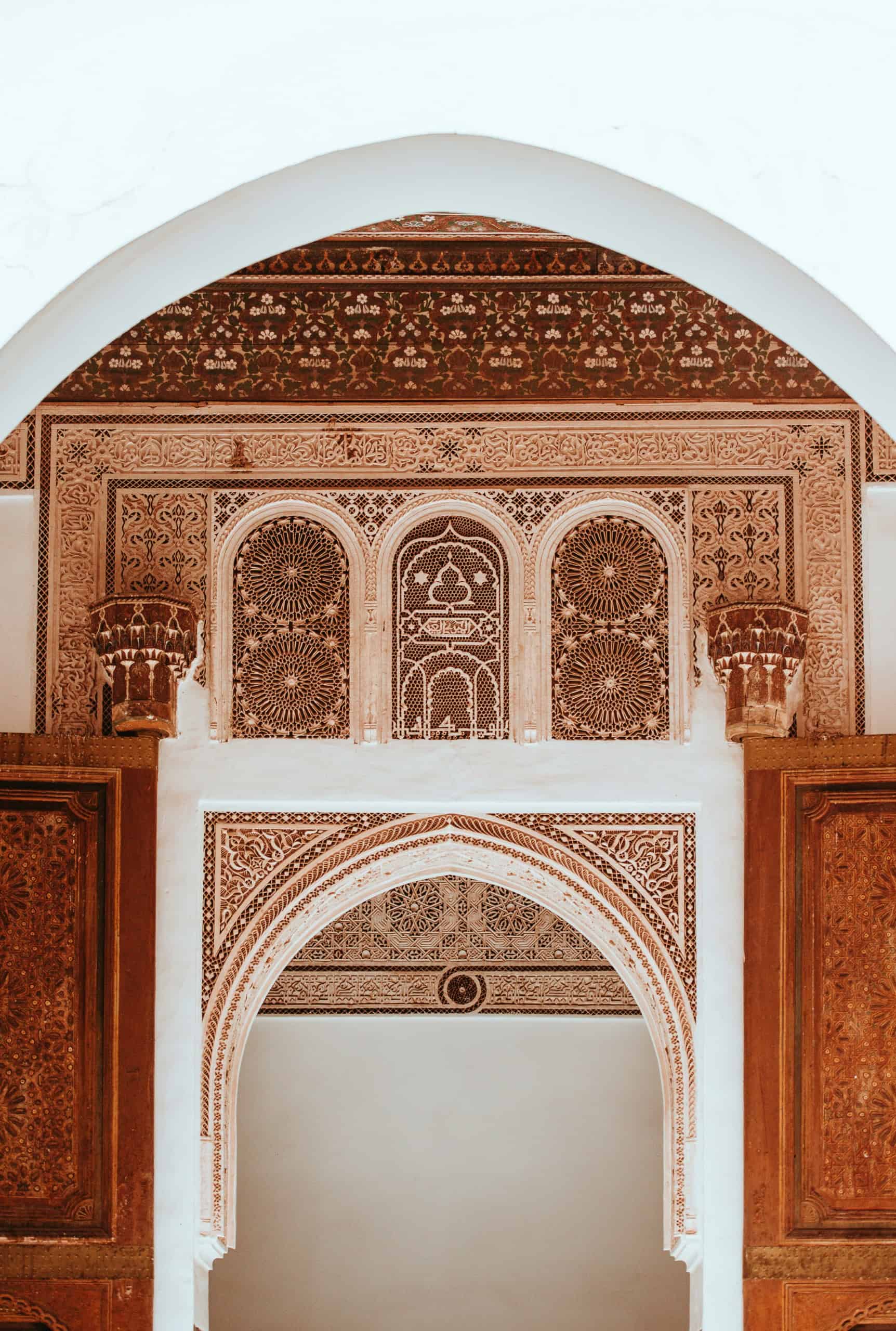
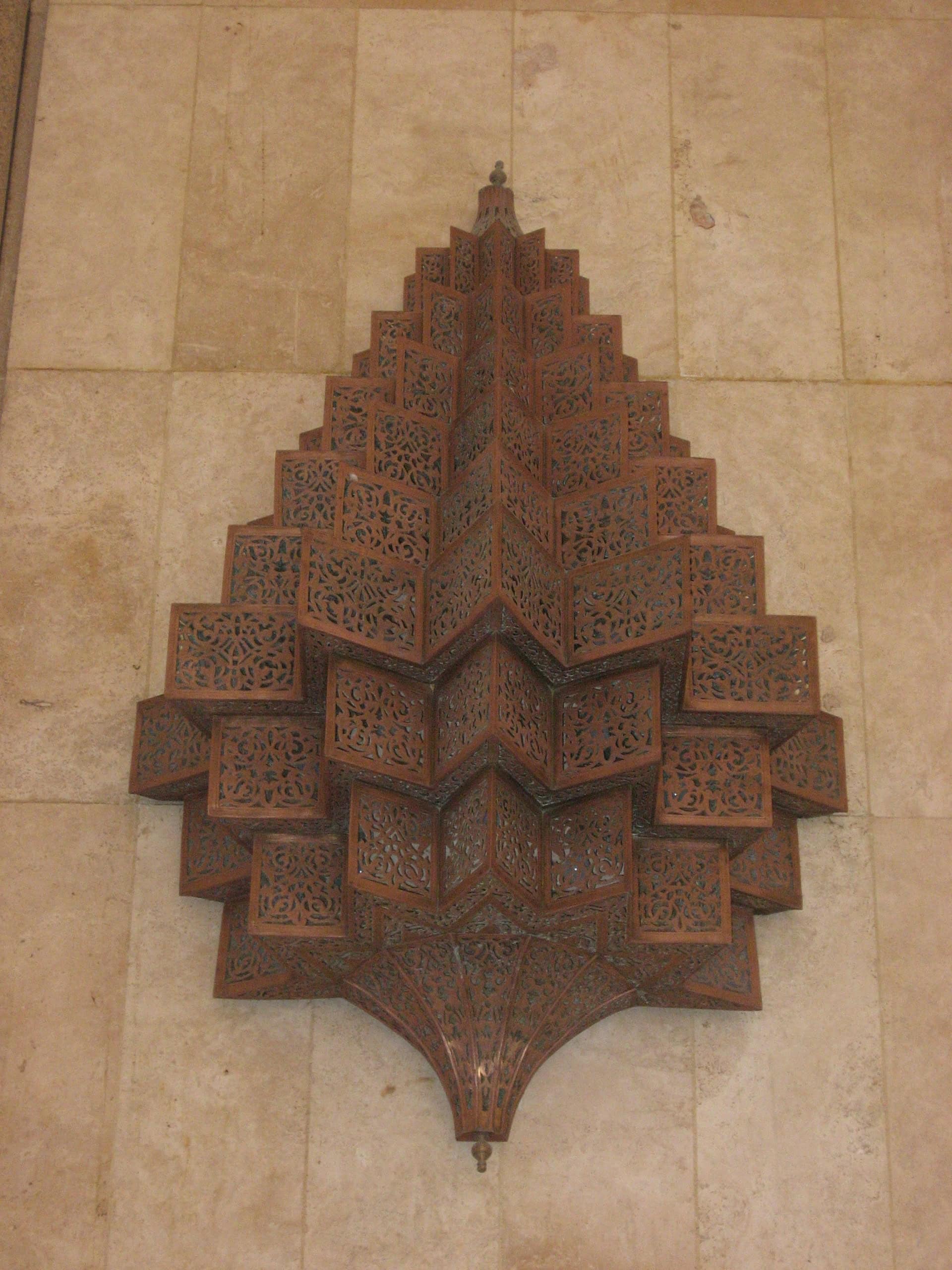
One of the most recognizable contributions of Arab culture to global art is the arabesque—a form of intricate decoration featuring repeating geometric and vegetal patterns.
Rooted in Islamic artistic philosophy, it symbolizes infinity, unity, and divine order, avoiding figurative representation in favor of abstraction.

Arabesque design developed from earlier Byzantine and Persian motifs, yet evolved into its own distinct, mathematically precise form that came to define Islamic aesthetics worldwide.

These motifs are seen in:

  • The Alhambra (Spain), a masterpiece of Nasrid architecture.

  • The Taj Mahal (India), whose geometric balance echoes Arab and Persian principles.

  • Modern design and media, including film sets, digital art, and interior design inspired by Moorish patterns (e.g., Game of Thrones’ Dorne).


b. Calligraphy and Symbolism

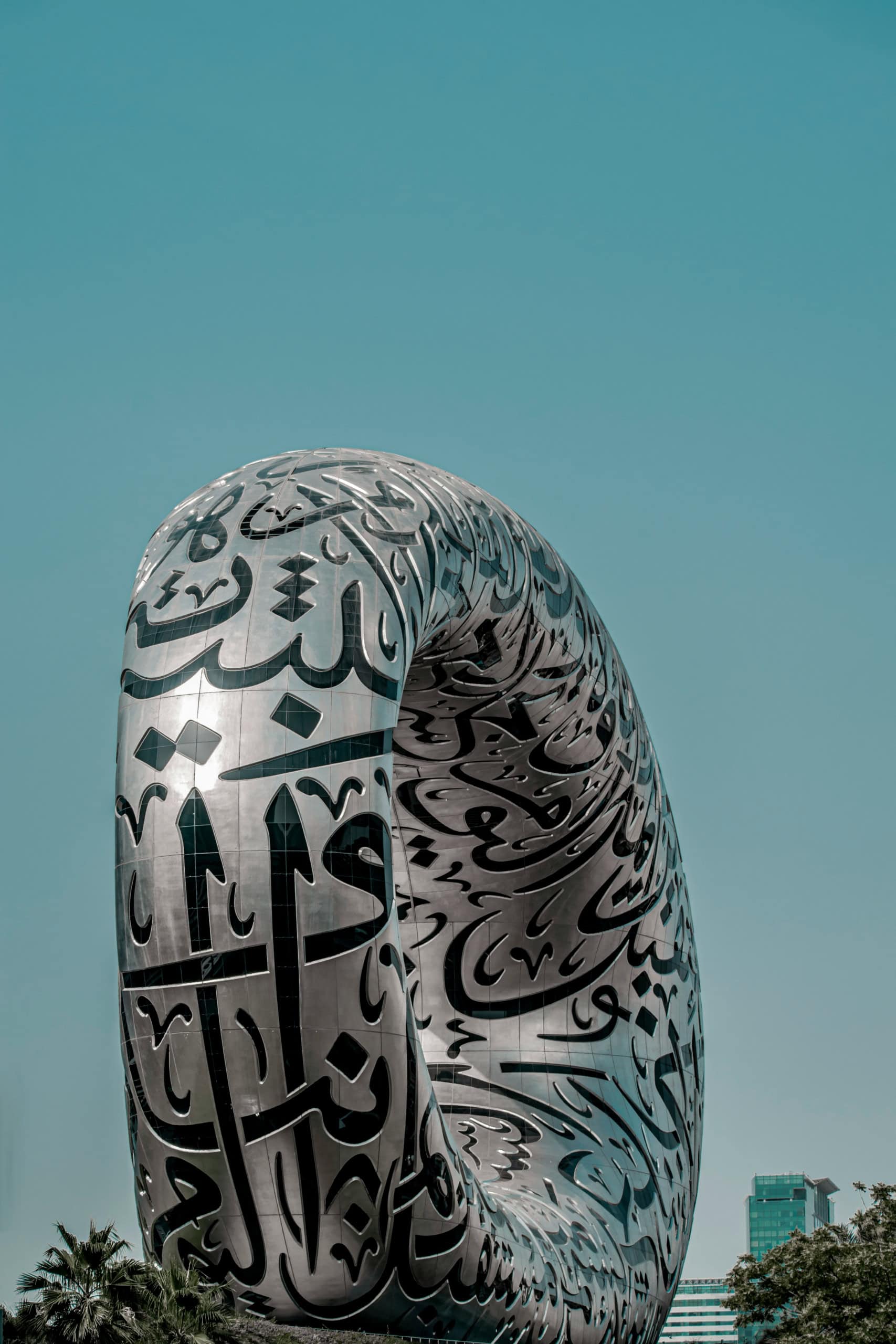
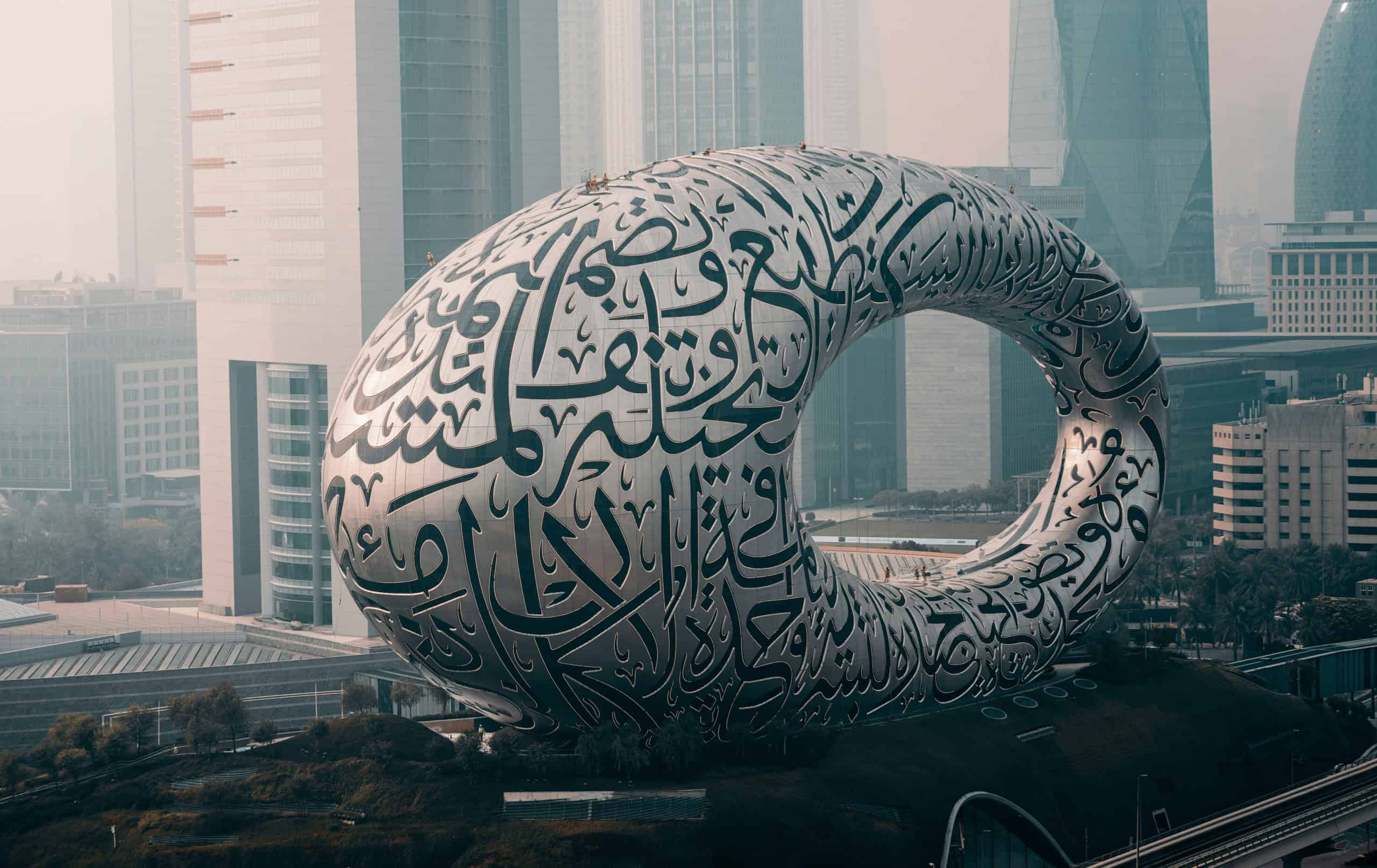
Arabic calligraphy, derived from the sacred script of the Qur’an, became an art form symbolizing beauty, spirituality, and intellect.
It appears not only in mosques and manuscripts but also in African, Ottoman, and European decorative art, influencing medieval manuscript illumination and even modern graphic design.


c. Cross-Cultural Visual Exchanges

Centuries of trade and migration led to deep artistic fusion between Arab and African traditions:

  • Along the Swahili coast, Arabic calligraphy merged with local patterns and colors.

  • In Timbuktu, manuscript art reflected Arab aesthetics in its design and typography.

Contemporary artists—like Wael Shawky and Shirin Neshat—extend this dialogue globally, merging myth, modernity, and Arab heritage in film, performance, and installation.

3. Literary Traditions and Storytelling

a. The Legacy of “One Thousand and One Nights”

Perhaps the most famous Arabic literary contribution is One Thousand and One Nights (Alf Layla wa-Layla)—a vast anthology of interconnected tales like Aladdin, Sinbad, and Ali Baba.
Its frame-story structure and allegorical storytelling techniques have inspired:

  • Geoffrey Chaucer’s Canterbury Tales

  • Giovanni Boccaccio’s Decameron

  • Dante’s Divine Comedy

  • Modern cinema, fantasy, and even storytelling formats in gaming.


b. Poetic Innovation and Influence

Arabic poetry has long shaped global literary form and rhythm. During the Abbasid and Andalusian eras, poets like Abu Nuwas and Al-Mutanabbi perfected forms such as the qasida, zajal, and muwashshah, which influenced:

  • Spanish troubadour and courtly love poetry

  • Hebrew and Persian poetic meters

  • Early Renaissance lyric traditions in Europe

The maqāma genre—a blend of rhymed prose and narrative wit—anticipated modern short-story techniques and inspired medieval Hebrew and Persian storytelling.


c. The Translation Movement and Renaissance Impact

During the Islamic Golden Age (8th–13th centuries), Arab scholars translated and preserved Greek, Persian, and Indian texts in centers like Baghdad’s House of Wisdom.
These works, later rendered into Latin, directly fueled the European Renaissance, reviving lost knowledge in medicine, philosophy, and mathematics.


d. Modern Revival – The Nahda

The Nahda (Arab Awakening) of the 19th–20th centuries ushered in literary modernization and cultural reform across the Arab world.
Through new printing presses, journalism, and translation, writers like Taha Hussein and Khalil Gibran reshaped global Arabic prose and poetry—bridging East and West.

Today, modern Arabic novels—such as The Yacoubian Building (Alaa Al Aswany), Gate of the Sun (Elias Khoury), and Girls of Riyadh (Rajaa Alsanea)—are celebrated worldwide for their cultural insight and narrative innovation.


4. Summary Table

Domain Key Influences
Visual Art & Design Arabesque motifs, geometric symmetry, calligraphy, architecture (Alhambra, Taj Mahal), influence on fantasy and media aesthetics
Literature & Poetry One Thousand and One Nights, maqāma, poetic forms (zajal, muwashshah), European troubadour and Renaissance inspiration
Modern & Contemporary Impact Nahda literary reform, global translation of Arabic novels, cross-cultural art fusions by contemporary Arab creators

5. Conclusion

Arab cultural creativity has profoundly shaped global art and literature, merging spirituality, mathematics, and imagination.
From calligraphic grace and architectural harmony to narrative depth and poetic rhythm, the Arab world’s influence continues to bridge civilizations and eras, reminding us that creativity transcends borders and languages.


6. References & Sources

  1. Architectural Digest – Islamic Architecture: Spiritual and Symbolic Design

  2. Wikipedia – Islamic Golden Age

  3. Arab America – Arab Aesthetics: The Enduring Influence on Global Arts and Culture

  4. Giovanni Filocamo – The Influence of Middle Eastern Culture on Contemporary Art Trends

  5. TingaTinga Art – The Role of the Arab World in African Paintings

  6. Financial Times – Art & Culture Essays on Arab Modernism

  7. Arab America – The Art of Arabic Storytelling

  8. Arab Book Caravan – How Arabic Literature Shapes and Inspires Global Writing

  9. WeChronicle – Influence of Medieval Arab and Persian Fiction on European Literature

  10. Majalla – How Arabic Poetry Influenced the World

  11. Nuhaira – Arabic Poetry: History, Characteristics, and Influence

  12. Free Source Library – Arab Writers: Literary Legacy and Impact

  13. Wikipedia – Arabic Miniature

  14. Britannica – Arabic Literature

  15. Wikipedia – Nahda

  16. The New Yorker – Found in Translation: Arabic Literature in the Global Canon

  17. ArchitectureCourses – Influence of Arab Culture on Western Architecture
  18. EBSCO – Arabic Literary Renaissance Overview

Where Do Arabs Come From? Tracing the Origins and Expansion of Arab Peoples

1. Introduction

The Arabs originated in the Arabian Peninsula, but through centuries of migration, trade, conquest, and cultural exchange, Arab identity has expanded far beyond its original homeland.
Today, the term Arab describes not a single race or ethnicity, but a shared linguistic and cultural identity rooted in the Arabic language and its rich historical legacy.


2. The Early Roots of Arab Peoples

a. Semitic Origins

Arabs belong to the broader family of Semitic-speaking peoples, whose ancient branches include the Akkadians, Canaanites, Aramaeans, and Hebrews.
All Semitic languages—including Arabic, Hebrew, and Aramaic—descend from a Proto-Semitic language spoken in the ancient Middle East over 5,000 years ago.

According to Wikipedia and the National Institutes of Health (NIH), genetic and linguistic evidence links early Arabs to populations that lived between Mesopotamia and the Arabian Peninsula.


b. Pre-Islamic Arabia

Before the rise of Islam in the 7th century CE, Arabia was inhabited by numerous tribal societies—some nomadic (Bedouin), others settled in oasis towns or coastal trade centers.

Region Key Characteristics
Northern Arabia Home to tribes tracing their ancestry to ʿAdnān, associated with the lineage of the Prophet Muhammad. Early inscriptions identify Arabs around the Syrian Desert and northern Arabian frontiers as early as the 9th century BCE.
Southern Arabia Known for the ancient Sabaean, Himyarite, and Qatabanian kingdoms (modern Yemen and Oman). These were agricultural and trading civilizations tied to incense and spice routes. Southern Arabs traditionally trace their ancestry to Qaḥṭān, known as the “pure” (al-ʿArab al-ʿĀriba) Arabs.

Britannica and The University of Arizona note that “Arab” originally referred to the Bedouin peoples of the Arabian Desert, whose dialects evolved into Classical Arabic.


c. Cultural and Linguistic Formation

By the 1st century CE, Arabic had emerged as a distinct Semitic language.
The tribes of Arabia—connected by poetry, oral storytelling, and trade—shared a growing sense of linguistic and cultural unity long before Islam.

The word “Arab” (ʿArab) first appeared in Assyrian inscriptions (9th century BCE) to describe desert-dwelling tribes near the Euphrates.


3. The Islamic Expansion and Arabization

a. 7th-Century Expansion

The rise of Islam under the Prophet Muhammad (570–632 CE) transformed the Arabian tribes into a powerful and united civilization.
The Islamic conquests (7th–8th centuries) spread Arabic language and culture across the Middle East, North Africa, and parts of Europe and Asia.

Region Reached Cultural Outcome
Levant & Mesopotamia Arabic replaced Aramaic and Greek as the dominant language.
North Africa Indigenous Berber populations gradually adopted Arabic while preserving local traditions.
Iberian Peninsula (Al-Andalus) Arabic became a leading language of science, philosophy, and architecture.

As Wikipedia’s History of the Arabs notes, by the 9th century CE, Arabic-speaking communities had become established across three continents.


b. The Process of Arabization

Arabization did not occur through forced assimilation, but largely through language adoption and intermarriage.
Non-Arab populations gradually adopted Arabic for trade, religion, and governance—creating a shared identity that transcended ethnicity.

ADC (American-Arab Anti-Discrimination Committee) defines being Arab today as a linguistic and cultural affiliation, not a genetic one.


4. Genetic and Regional Diversity Among Arabs

Centuries of migration and intermixing have made Arabs one of the most genetically diverse populations in the world.
Modern studies, including those published by the NIH and Wikipedia, identify distinct genetic clusters across regions:

Arab Group Genetic and Cultural Traits
Peninsular Arabs (Saudi Arabia, Yemen, Oman) Closest genetic link to ancient Arabian inhabitants; strong tribal and linguistic continuity.
Levantine Arabs (Palestine, Jordan, Lebanon, Syria) Genetic overlap with Eastern Mediterranean and ancient Canaanite populations.
North African Arabs (Morocco, Algeria, Tunisia, Libya) Blend of Arab, Berber, and Mediterranean ancestry due to centuries of intermarriage and migration.
Iraqi and Gulf Arabs Reflect ancient Mesopotamian and Persian gene flows, mixed with Bedouin ancestry.

Genetic research (NIH 2023) confirms that the term Arab denotes a shared identity, not a uniform genetic profile.


5. The Arab Identity Today

a. Linguistic and Cultural Unity

Arabic remains the unifying force among Arabs worldwide. It carries deep literary, religious, and cultural significance—especially because of the Qur’an, which standardized Classical Arabic.

b. Diversity Across Nations

Modern Arab populations span 22 countries, each with distinct dialects, cuisines, and traditions—yet all identify within a broader Arab framework.

c. The Arab Diaspora

Significant Arab communities now live across Europe, the Americas, and East Africa, continuing to contribute to science, art, and business while maintaining linguistic and cultural ties to their origins.


6. Conclusion

Arabs trace their origins to the Arabian Peninsula, but their story is one of migration, cultural adaptation, and linguistic expansion.
Over millennia, the Arabic language became the vessel for shared identity—uniting people across continents, faiths, and ethnicities.

Today, to be Arab means belonging to a diverse, global civilization shaped by history, faith, and language—not by a single ancestry or geography.


7. References & Sources

  1. The University of Arizona – Who Are the Arabs?

  2. Wikipedia – Genetic Studies on Arabs

  3. American-Arab Anti-Discrimination Committee – Facts About Arabs and the Arab World

  4. NIH – The Genetic Heterogeneity of Arab Populations

  5. Wikipedia – Ancient Semitic-Speaking Peoples

  6. Wikipedia – History of the Arabs

  7. Britannica – Arabia: Bedouin, Nomads, and Tribes

  8. The Arabic Learner – A Brief History of the Arabic Language

  9. Quora – Where Did Arabs Originally Come From?

  10. YouTube – The Rise of the Arabs: From the Desert to a Golden Empire

What Is an Arab? Understanding Arab Identity, Culture, and Diversity

What Is an Arab? Understanding Arab Identity, Culture, and Diversity

1. Introduction

An Arab is a person whose identity is primarily defined by language, culture, and shared history—not by a single race, religion, or nationality.
Being Arab is fundamentally about belonging to a cultural-linguistic community whose core unifying element is the Arabic language.

Today, more than 400 million people across 22 countries in North Africa and the Middle East identify as Arabs. Despite vast differences in geography, religion, and political structure, they share deep cultural, linguistic, and historical bonds that link them across centuries.


2. Defining Arab Identity

a. Language: The Core of Arab Identity

Arabic is the cornerstone of Arab identity.
It is not merely a means of communication but a symbol of unity and cultural continuity.

  • The Qur’an, Islam’s holy book, was revealed in Arabic, granting the language profound spiritual significance.

  • There are over 30 dialects of Arabic, yet Modern Standard Arabic remains the unifying form used in literature, news, and education.

  • The Arabic script and calligraphy are not only linguistic tools but also central elements of Arab artistic expression.

As noted by TeachMideast and Britannica, Arabic binds people from vastly different regions—from the Atlantic coast of Morocco to the Gulf—into a shared cultural sphere.


b. Geography: The Arab World

The Arab world extends from Mauritania and Morocco in the west to Iraq and Oman in the east, encompassing parts of both Africa and Asia.

Region Examples of Arab Countries
North Africa Morocco, Algeria, Tunisia, Libya, Egypt, Sudan
The Levant Lebanon, Syria, Jordan, Palestine
The Arabian Peninsula Saudi Arabia, Kuwait, Qatar, Bahrain, UAE, Oman, Yemen
The Horn and East Africa Somalia, Comoros, Djibouti
Transcontinental Links Iraq, Mauritania

The Arab League, founded in 1945, officially recognizes 22 member states as part of the Arab world, emphasizing cooperation and shared heritage.


c. History: Roots and the Spread of Arab Culture

The term “Arab” originally referred to peoples of the Arabian Peninsula.
With the spread of Islam in the 7th century CE, Arab traders, scholars, and rulers carried their language, literature, and culture across vast territories—from Spain and North Africa to Persia and Central Asia.

Key historical contributions:

  • Literature and Poetry: Early Arabs were master poets, and oral poetry became the foundation of Arabic literary tradition.

  • Science and Philosophy: During the Islamic Golden Age, Arab scholars such as Al-Khwarizmi and Ibn Sina (Avicenna) advanced mathematics, medicine, and astronomy.

  • Art and Architecture: Arab artisans perfected geometric design, calligraphy, and monumental architecture—seen in landmarks such as the Great Mosque of Damascus and the Alhambra in Spain.


d. Culture and Shared Traditions

Arab culture is rich, diverse, and deeply communal, shaped by a shared appreciation for language, hospitality, and family.

  • Hospitality (كرم – karam): Central to Arab social ethics, hospitality embodies generosity and community.

  • Music and Dance: Traditional forms like maqam and dabke coexist with modern pop and fusion genres.

  • Cuisine: Staples such as hummus, falafel, couscous, and dates reflect centuries of trade and cultural blending.

  • Storytelling and Poetry: The art of oral narration—from One Thousand and One Nights to modern spoken-word poetry—remains a living cultural expression.

According to Halim Barakat’s study on Arab identity, Arab culture blends both collective belonging and individual diversity, making it fluid yet cohesive.


e. Diversity Within the Arab World

The Arab world is ethnically and religiously diverse. Arabs may be:

  • Muslim, Christian, Jewish, or adherents of other faiths.

  • Of varied ancestry, including Berber, Kurdish, Nubian, and African lineages.

  • Of different skin colors, languages, and lifestyles—from urban professionals in Beirut and Cairo to Bedouin tribes in the deserts of Arabia.

As Wikipedia and Study.com note, being Arab is not tied to race but to shared language, history, and cultural consciousness.


3. Distinctions from Related Terms

Term Meaning Key Difference
Arab Refers to people united by the Arabic language and culture. Cultural-linguistic identity.
Middle Eastern Refers to a geographical region that includes Arabs and non-Arabs (e.g., Persians, Turks, Israelis). Geographical, not cultural.
Muslim Refers to followers of Islam. Religious identity, not ethnic or linguistic.

Most Arabs are Muslim, but the majority of the world’s Muslims are not Arab. Countries like Indonesia, Pakistan, and Bangladesh have large Muslim populations but are not part of the Arab world.


4. Arab Identity in the Modern World

a. Arab Diaspora

Millions of Arabs have migrated across the world—to Europe, North America, and South America—creating large diaspora communities that maintain cultural and linguistic ties.
Arab Americans, for instance, have played key roles in U.S. academia, politics, and business.

b. Arab-American Identity

In Western contexts, Arab identity often intersects with discussions of race, ethnicity, and religion.
Organizations such as the American-Arab Anti-Discrimination Committee (ADC) advocate for accurate representation and highlight the diversity of Arab experiences.

c. Global Influence

From Arabic calligraphy in contemporary art to Arab literature in translation (e.g., Naguib Mahfouz, Mahmoud Darwish), Arab culture continues to enrich the global artistic and intellectual landscape.


5. Key Takeaways

Aspect Summary
Identity Arab identity is defined by shared language, culture, and history—not race or religion.
Diversity Arabs come from varied ethnic, geographic, and religious backgrounds.
Cultural Influence Arabic language and art have shaped global civilization for over a millennium.
Modern Relevance Arab identity remains fluid—rooted in tradition yet evolving with globalization and diaspora experiences.

6. Conclusion

To be Arab is to belong to a vast and diverse civilizational community connected by language, culture, and history.
It is an identity that has adapted through centuries of empire, migration, and modern transformation—yet remains anchored in its core principle: unity through diversity.

From the deserts of Arabia to the metropolises of Cairo, Beirut, and Dubai, Arab identity continues to evolve—celebrating both its ancient roots and modern expressions.


7. References & Sources

  1. ADC – Facts About Arabs and the Arab World

  2. TeachMideast – Arab, Middle Eastern, and Muslim: What’s the Difference?

  3. Simon & Simon International – 10 Facts About Arabic Language and Culture

  4. TeachMideast – Facets of Arab Identity (Halim Barakat)

  5. Britannica – Arab | Description, History, & Facts

  6. Study.com – Arab People: Countries, Characteristics & History

  7. Humanities LibreTexts – Geography of the Arab World

  8. ScienceDirect – Arab World Overview

  9. American Association of Teachers of Arabic – About Arabic

  10. Wikipedia – Arab Identity

  11. El Camino College – Arab American Experience: Race & Identity

  12. Community Commons – Middle Eastern and Arab Americans

  13. National Arab American Heritage Month – Insight Into Academia

  14. SUNY Schenectady – Home: Arab-American Heritage

  15. Quora – What Does It Mean to Be Arab?

  16. YouTube – How to Understand the Arab World (Introduction)

How Arab Art Has Evolved Over the Centuries

1. Introduction

Arab art has undergone a remarkable evolution—from the symbolic carvings and religious frescoes of pre-Islamic Arabia to the culturally resonant and globally recognized works of the modern and contemporary era.
Its transformation reflects the Arab world’s historical encounters with empires, faith, and modernization—shaping a tradition that merges spiritual devotion, visual innovation, and social commentary.

Throughout this journey, Arab art has maintained a consistent dialogue between tradition and innovation, where faith-inspired abstraction coexists with modern experimentation and global engagement.


2. Pre-Islamic Art: The Cultural Crossroads

Before the rise of Islam in the 7th century, pre-Islamic Arabia was a vibrant crossroads of Byzantine, Sasanian, and Greco-Roman influences. The region’s artistic heritage reflected the lifestyles of both nomadic tribes and settled kingdoms in southern Arabia.

Key Characteristics

Feature Description
Diverse influences Art ranged from intricate mosaics and architectural carvings in Yemen and the Levant to symbolic motifs inspired by neighboring civilizations.
Kaaba paintings Historical accounts describe early religious paintings within the Kaaba, including depictions of deities, Mary, and the Christ Child.
Nomadic art Perishable materials used by Bedouin cultures mean that few examples survive, but jewelry, pottery, and weapon engravings reflect early aesthetic sensibilities.

According to Smarthistory, the Arabian Peninsula in the 1st–6th centuries CE produced elaborate mosaics and monumental stone carvings influenced by global trade and migration.


3. The Islamic Golden Age (8th–13th Centuries)

With the rise of Islam, art in the Arab world took on a distinctly spiritual and philosophical dimension.
Visual expression evolved to reflect the unity of God (tawhid) and avoid idolatry, leading to the prominence of abstraction, calligraphy, and pattern-based aesthetics.

Key Features of Islamic Art

Element Description & Example
Aniconism Avoidance of depicting living beings in sacred art to prevent idolatry. Focus shifted to geometry, color, and calligraphy.
Calligraphy Arabic script became the supreme art form—adorning mosques, ceramics, and manuscripts as a sacred visual expression of divine revelation.
Arabesque Stylized vegetal motifs and interlocking patterns symbolized infinity and divine order.
Luxury crafts Ceramics, glasswork, and metalwork flourished, including the invention of lusterware, known for its iridescent metallic sheen.
Figurative art in secular contexts Illustrated manuscripts and palace frescoes depicted historical and literary scenes, such as The Maqamat of al-Hariri.

The Abbasid Caliphate (750–1258 CE) in Baghdad became a global artistic center—its art blending Persian refinement, Byzantine color schemes, and Arab craftsmanship.


4. The Ottoman, Safavid, and Mughal Eras (15th–19th Centuries)

As the Islamic world expanded under the Ottoman, Safavid, and Mughal empires, each region adapted earlier traditions into distinctive artistic languages.

Ottoman Art

  • Renowned for its architectural brilliance, from the domed mosques of Sinan to intricate Iznik tilework and calligraphic ornamentation.

  • Art blended imperial grandeur with refined minimalism in manuscripts, textiles, and ceramics.

Safavid and Mughal Contributions

  • Safavid Iran perfected miniature painting, characterized by vivid color palettes and delicate brushwork.

  • The Mughal Empire in South Asia combined Persian techniques with Indian motifs, producing masterpieces such as the Akbarnama illustrations.

As noted by The Met Museum and Study.com, the 15th–19th centuries saw Islamic art reach a peak of decorative sophistication, uniting science, faith, and aesthetics.


5. Colonialism and the Emergence of Modern Arab Art (19th–20th Centuries)

The 19th century ushered in profound change. As European colonial powers expanded into Arab lands, Western art education, realism, and academic painting began influencing local artists.

Transformation During Colonial Influence

  • Arab artists attended European art academies in Cairo, Beirut, and Paris.

  • Genres such as Impressionism, Cubism, and Expressionism were adapted to Arab narratives.

  • Governments and cultural institutions supported the revival of traditional crafts—a movement that preserved indigenous design in textiles, ceramics, and calligraphy.

Post-Independence Modernism

Following independence in the mid-20th century, Arab artists sought to define a unique modern identity:

  • The Baghdad School of Art and Hurufiyya movement merged calligraphy with abstraction.

  • Artists began addressing nationalism, identity, and post-colonial memory, blending modern form with traditional philosophy.

As Britannica observes, this period marked a turning point where Arab artists asserted cultural self-determination through visual innovation.


6. Contemporary Arab Art (Late 20th Century–Present)

The late 20th and early 21st centuries witnessed Arab art entering the global stage, characterized by conceptual experimentation, political engagement, and cross-cultural dialogue.

Contemporary Movements and Themes

  • The Hurufiyya Legacy: Modern artists continue to reinterpret Arabic script as abstract form—symbolizing cultural pride and spiritual continuity.

  • Identity & Politics: Artists explore displacement, migration, gender, and war through multimedia works, installations, and digital art.

  • Global Participation: Arab artists now exhibit at major biennales in Venice, Sharjah, and Cairo, and their works appear at international auctions such as Christie’s and Sotheby’s.

  • Women Artists: Figures like Hayv Kahraman, Mona Hatoum, and Etel Adnan have expanded the global understanding of Arab visual expression, addressing themes of freedom, memory, and belonging.

According to Marsoum and The Met Museum, contemporary Arab art bridges the sacred past and modern identity—offering both introspection and universality.


7. Conclusion

The evolution of Arab art mirrors the region’s complex history—its spiritual devotion, political transformations, and cultural resilience.
From the carved stones of ancient Arabia to the conceptual installations of today, Arab artists have continuously redefined the role of art in society: as a medium of beauty, identity, and truth.

In essence, Arab art is a living conversation between heritage and modernity, between faith and freedom, and between local identity and global expression.


8. References & Sources

  1. Smarthistory – Pre-Islamic Arabia

  2. Britannica – Arabian Art and Architecture

  3. Lumen Learning – The Islamic Golden Age

  4. The Collector – Art of the Abbasid Caliphate

  5. Metropolitan Museum of Art – The Art of the Ottomans Before 1600

  6. Boise State University Pressbooks – Early Islamic Art and Architecture

  7. Wikipedia – Islamic Art

  8. Wikipedia – Ancient South Arabian Art

  9. National Geographic – Islamic Art in Arabia

  10. The Met Museum – Modern Art in West Asia

  11. Britannica – Islamic Art under European Influence

  12. Khan Academy – Early Islamic Painting

  13. Marsoum – An Exploration of Modern Arab Art

  14. Study.com – Ottoman Empire Architecture and Art

  15. Art Gallery Yale – Modern Art from the Middle East

  16. Vision Journal – Ottoman Art and Society

  17. Epic World History – Golden Age of Islamic Calligraphy

  18. ScienceDirect – Value of Arabic Art Traditions

  19. Wikipedia – Hurufiyya Movement

  20. SlideShare – Evolution of Arab Art Over Time

Arab Art and Paintings: From Sacred Geometry to Contemporary Expression

Arab Art and Paintings: From Sacred Geometry to Contemporary Expression

1. Introduction

Arab art and painting encompass centuries of creativity, spirituality, and cultural identity. From the geometric perfection of early Islamic art to the emotionally charged canvases of modern Arab painters, this tradition reflects both continuity and transformation.

While shaped by Islamic principles such as aniconism (the avoidance of depicting living beings in sacred contexts) and tawhid (the unity of God), Arab art has also embraced innovation—merging abstraction, calligraphy, and symbolism to express a deeply human story of faith, heritage, and modernity.


2. Foundations of Traditional Arab and Islamic Art

The foundations of Arab art lie in the visual philosophy of Islam, where beauty is seen as a reflection of divine order. Artistic expression, therefore, aimed not at imitation of the material world but at representing the spiritual and infinite through design, repetition, and symmetry.

Key Elements

Element Description Symbolic Meaning
Aniconism & Abstraction Avoidance of living figures in religious art, focusing on abstract, geometric design. Represents purity and detachment from materialism.
Calligraphy The artistic rendering of Arabic script, especially Qur’anic verses. Embodies the sacred power of the Word.
Geometry & Arabesque Repetitive, mathematically precise patterns, often intertwined with vegetal motifs. Reflects harmony, infinity, and divine perfection.

Historical Context

  • Umayyad & Abbasid Eras (7th–13th centuries): Early frescoes and manuscript illuminations fused Greco-Roman, Sasanian, and Arab aesthetics.

  • Manuscript Painting: Artists like Yahya ibn Mahmud al-Wasiti illustrated literary masterpieces such as The Book of the Thousand and One Nights, capturing daily life and storytelling through vibrant colors and delicate detail.

  • Architectural Ornamentation: Palaces and mosques were adorned with mosaics, stucco reliefs, and ceramics featuring repeating geometric and vegetal motifs, emphasizing unity and transcendence.


3. Evolution into Modern and Contemporary Arab Art

The 20th century marked a turning point in Arab painting. With the fall of colonial powers and the rise of independent nation-states, artists began to explore new expressions of identity, heritage, and political consciousness—often fusing traditional forms with Western techniques.

Post-Colonial Renaissance

Following independence, Arab artists sought to redefine their visual identity, drawing upon ancient motifs, Arabic calligraphy, and folk traditions to assert cultural sovereignty and reject Western dominance.

The Hurufiyya Movement

One of the most distinctive artistic revolutions in modern Arab art, the Hurufiyya movement (from huruf, meaning “letters”) integrated Arabic calligraphy into abstract compositions.
Letters became visual symbols rather than linguistic ones—bridging spiritual tradition and modern aesthetics.

As described by The Hurufiyya Movement Encyclopedia Entry, this style represented a “reclaiming of identity through the Arabic letter,” blending modern abstraction with deeply rooted heritage.

Contemporary Arab Art

Today’s Arab artists explore an array of themes—war, displacement, gender, faith, and globalization—using diverse media such as installation, mixed media, and digital art. The goal is no longer merely aesthetic, but expressive and transformative.


4. Notable Arab Painters and Visionaries

Artist Country Style & Themes
Mahmoud Said (1897–1964) Egypt Considered a pioneer of modern Arab art, blending Egyptian folk life with European modernism.
Princess Fahr El-Nissa Zeid (1901–1991) Turkey / Jordan Created large abstract works inspired by stained glass and Islamic geometry.
Dia Al-Azzawi (b. 1939) Iraq A leading figure of the Baghdad School of Art, merging calligraphy and Mesopotamian history to comment on war and exile.
Etel Adnan (1925–2021) Lebanon / USA Poet and painter known for abstract color fields reflecting landscape, memory, and migration.
Ahmed Mater (b. 1979) Saudi Arabia Combines art and science; known for Magnetism, a conceptual piece reflecting spiritual gravitation around the Kaaba.
Hayv Kahraman (b. 1981) Iraq / USA Explores identity, diaspora, and femininity through figurative painting and body imagery.

Etel Adnan once wrote that “painting was another language,” and indeed, modern Arab artists have transformed visual art into a dialogue between past and present, faith and freedom.


5. The Cultural and Philosophical Essence of Arab Art

Arab art is not confined to a single school or aesthetic—it is an evolving dialogue that connects faith, intellect, and emotion.

Core Values

  • Unity in Diversity: Despite regional and stylistic differences, a shared sense of spiritual unity defines Arab visual culture.

  • Symbolism over Realism: Forms and colors serve symbolic purposes, often representing divine harmony, knowledge, and balance.

  • Interdisciplinary Inspiration: Literature, architecture, music, and poetry often influence visual art, creating a holistic cultural expression.

Global Influence

Institutions like the Museum of Islamic Art (Doha) and exhibitions across Paris, New York, Dubai, and Cairo have brought Arab art into global conversations, emphasizing its role in shaping contemporary world art narratives.


6. The Market and Global Recognition

Today, Arab art has found international acclaim. Masterpieces by Arab painters regularly appear in major auctions at Christie’s, Sotheby’s, and Art Dubai.

  • Works by Mahmoud Said and Princess Zeid have sold for millions, marking them among the most expensive Arab artists.

  • Contemporary voices like Ahmed Mater and Hayv Kahraman feature in global galleries and biennales.

  • The digital era has expanded access—platforms like Marsoum and Art Dubai Digital are reshaping how collectors engage with Middle Eastern art.

According to Scoop Empire, Arab artworks are increasingly viewed not just as regional treasures, but as global cultural investments that tell stories of endurance, identity, and innovation.


7. Conclusion

Arab art and painting are living testaments to a civilization that has thrived on balance—between the sacred and the sensual, the traditional and the modern.
From the geometric purity of Islamic ornamentation to the emotional abstraction of contemporary artists, this tradition continues to evolve, adapt, and inspire.

Ultimately, Arab art is not just seen—it is experienced. It speaks a universal language of spirituality, resilience, and beauty that transcends borders and generations.


8. References & Sources

  1. Marsoum – An Exploration of Modern Arab Art

  2. The Collector – Art of the Islamic World

  3. The Fountain Magazine – Islamic Art and Architecture

  4. Khan Academy – Early Islamic Painting

  5. National Geographic – Islamic Art in Arabia

  6. Metropolitan Museum of Art – The Nature of Islamic Art

  7. Wikipedia – Hurufiyya Movement

  8. Worcester Art Museum – Themes of Islamic Art

  9. The National News – Up-and-Coming Arab Artists

  10. Scoop Empire – Million-Dollar Arab Masterpieces

  11. Amani Kitchen – Influential Middle Eastern Artists

  12. Nelson-Atkins Museum – Islamic and Contemporary Art

  13. Tota World – Artistic Traditions of Arab Civilizations

  14. Africa ME Facts – Islamic Designs and Symbolism