Arab Wedding Customs and Traditions

Arab Wedding Customs and Traditions

An Exploration of Culture, Celebration, and Family Across the Arab World


Why This Topic Matters

Arab weddings are among the most vibrant, symbolic, and community-centered celebrations in the world. They reflect a beautiful mix of religious customs, family values, and regional heritage that vary across countries — from the desert traditions of the Gulf to the Mediterranean festivities of the Levant and North Africa.

For global audiences, understanding Arab wedding traditions offers a window into the diversity and richness of Arab culture, where marriage is not just the union of two individuals but a merging of families, honor, and shared heritage.

From an SEO and AEO perspective, this topic naturally aligns with trending and high-intent searches like:

  • “Arab wedding traditions explained”

  • “What happens at a Saudi or Lebanese wedding?”

  • “Henna night meaning in Arab culture”

  • “Difference between Gulf and North African weddings”

This hub page is designed to answer these questions comprehensively and conversationally, ensuring high engagement, shareability, and visibility in AI Overviews and search results.


🕊️ Pre-Wedding Traditions

Custom Description Cultural Significance
Engagement (Khitbah) The groom’s family formally proposes marriage to the bride’s family. A dowry (mahr) is offered as a symbol of respect and commitment. Represents mutual agreement, respect, and family unity.
Henna Night (Laylat al-Henna) A joyful evening when the bride’s hands and feet are adorned with intricate henna designs, accompanied by singing, dancing, and celebration. Henna symbolizes beauty, fertility, and good luck.
Bridal Shower / Gifts Increasingly popular among younger generations. Friends and family gather to celebrate and offer gifts to the bride. A modern adaptation blending Arab and Western influences.

💡 Did you know?
In some Gulf weddings, the mahr (dowry) can include gold, jewelry, and even perfumes, while in North Africa it’s often a symbolic monetary gift.


💒 The Wedding Ceremony

1. Nikah (Marriage Contract)

In Muslim Arab cultures, the Nikah is the religious and legal contract of marriage. Conducted by an imam or religious authority, it involves mutual consent, witnesses, and an agreed mahr.

  • Spiritual Element: Begins with readings from the Qur’an.

  • Legal Element: Both partners must explicitly agree to the terms.

  • Symbolic Element: The mahr formalizes commitment and respect.

2. The Bride’s Dress

  • White or Traditional: Many brides wear white gowns; others wear ornate caftans (Morocco) or abayas (Gulf).

  • Gold Jewelry: A key feature, symbolizing wealth, blessings, and continuity.

3. The Groom’s Attire

  • Gulf: Thobe or dishdasha with agal (headband).

  • Levant: Western-style suits or traditional embroidered garments.

4. The Zaffa (Wedding Procession)

The Zaffa is one of the most iconic Arab wedding traditions — a lively procession featuring drums, music, singing, and dancing that announces the couple’s entrance.

  • In Egypt, the zaffa may include belly dancers and trumpets.

  • In Lebanon and Palestine, it’s often accompanied by dabke (folk dance).


🎉 Post-Wedding Traditions

Tradition Description Meaning
Wedding Reception A large feast featuring regional dishes — lamb, rice, couscous, and sweets — with hours of dancing and live music. Symbolizes abundance and hospitality.
The First Night Celebrated privately or through small family rituals marking the couple’s new life together. Represents purity and blessing.
Dowry & Gifts The mahr is officially presented, and guests bring gifts or money to support the couple’s home. Reflects generosity and family support.
Honeymoon While not traditional, modern Arab couples often travel after the wedding. Represents new beginnings.

🌍 Regional Differences in Arab Wedding Customs

Gulf Countries (Saudi Arabia, UAE, Qatar, Kuwait, Bahrain, Oman)

  • Lavish multi-day weddings with separate celebrations for men and women.

  • Gold and perfume are common gifts for the bride.

  • Music and sword dances (Arda) are traditional highlights.

Levant (Lebanon, Jordan, Syria, Palestine)

  • Weddings feature dabke, a rhythmic line dance symbolizing joy and unity.

  • Large feasts of mezze, kebabs, and pastries are central.

  • The zaffa is often accompanied by live bands and fireworks.

North Africa (Morocco, Algeria, Tunisia, Egypt)

  • Moroccan brides may change outfits multiple times (caftans, takchita).

  • Henna ceremonies are deeply symbolic and ornate.

  • Egyptian weddings are known for their zaffa and belly dance performances.


✨ Symbolism and Cultural Beliefs

Element Meaning
Family The wedding joins not just two individuals but entire families.
Hospitality Guests are treated with utmost respect — lavish food and entertainment are central.
Blessings & Faith Prayers and religious readings are key to ensuring divine blessing.
Gold & Henna Represent prosperity, protection, and joy.

📈 Evolution of Arab Weddings

Modern Arab weddings often blend heritage and contemporary influences:

  • Live DJs alongside traditional musicians.

  • Destination weddings in Dubai, Amman, or Marrakech.

  • Social media–inspired décor and luxury photography.

  • Inclusion of global guests while maintaining traditional rites like nikah and zaffa.


📊 Comparative Overview

Region Typical Length Main Dance Dress Style Signature Element
Gulf 2–3 days Arda Thobe / Abaya Gold jewelry & perfumes
Levant 1–2 days Dabke Western-style gown Zaffa & live music
North Africa 3–7 days Local folk dances Caftan / Takchita Henna & multiple outfits

💬 Frequently Asked Questions

Q1. What is the meaning of the mahr in Arab weddings?
The mahr is a dowry or gift from the groom to the bride. It symbolizes respect, security, and commitment — not a price but a gesture of goodwill and faith.

Q2. Do Arab weddings always have separate men’s and women’s events?
Not always. While common in Gulf countries, mixed gatherings are typical in the Levant and North Africa.

Q3. What is the purpose of the Henna Night?
It’s a joyful pre-wedding ritual symbolizing blessing and protection. Henna is believed to ward off evil and bring luck to the bride.

Q4. Are Arab weddings religious or cultural events?
They are often both. The Nikah fulfills the religious requirement, while the celebrations reflect cultural heritage.

Q5. How long do Arab weddings usually last?
From one night in modern urban settings to week-long festivities in traditional families — depending on region and means.


📚 References & Resources

  1. Arab News – Inside the Lavish Traditions of Arab Weddings

  2. The National – Wedding Customs in the Middle East

  3. BBC Culture – Why Arab Weddings Are the Most Joyous Celebrations

  4. Al Jazeera – From Henna to Nikah: A Guide to Muslim Wedding Rituals

  5. UNESCO Intangible Heritage – Traditional Arab Music and Dance


🕯️ Final Thoughts

Arab weddings are not just ceremonies — they are cultural symphonies of faith, family, love, and community.
Each song, dance, and shared meal tells a story that spans generations, connecting the past with the present.

Whether in a Bedouin tent, a Beirut ballroom, or a Moroccan riad, the essence remains the same: a celebration of unity, love, and belonging.

Celebrating Arab Cinema on the Global Stage

Why This Topic Matters

  • Arab cinema has increasingly broken through regional bounds — achieving festival success, Oscar/Golden Globe nominations, and major international box-office or critical recognition.

  • For audiences outside the Arab world, these films offer windows into the diversity, nuance and evolving storytelling of the MENA (Middle East & North Africa) region.

  • From an SEO/AEO/GEO perspective: covering Arab films with international awards taps into interests in film, culture, global cinema, Arabic language cinema — rich keywords and long-tail queries (e.g., “Arab film wins Cannes Palme d’Or”, “Palestinian film Oscar nomination”, etc.).

  • The “hub page” style (overview + deep dives + FAQs + resources) helps keep readers engaged, shows authority, improves dwell time and can attract backlinks.


What Counts as “International Award”

In this article we consider an “international award” to be:

  • A nomination or win at a major international film festival (Cannes, Venice, Berlin, etc.).

  • A nomination or win in prominent international awards (Oscars/Academy Awards, Golden Globes, BAFTAs, etc.).

  • Major box-office/critical recognition outside the country of origin (as indicator of global resonance).
    We will flag each film’s major recognition.


Acclaimed Arab Films That Have Earned International Awards

Film Country Year Key Recognitions
Paradise Now Palestine 2005 Won Golden Globe for Best Foreign Language Film, nominated for Academy Award for Best Foreign Language Film. Wikipedia+2Arab News+2
Wadjda Saudi Arabia 2012 First feature film shot entirely in Saudi, directed by a Saudi female director. International festival wins and BAFTA nomination.
Omar Palestine 2013 Won Special Jury Prize (Un Certain Regard) at Cannes; nominated for Academy Award for Best Foreign Language Film. The Guardian+1
Capernaum Lebanon 2018 Won Jury Prize at Cannes; nominated for Academy Award; became highest-grossing Arabic/Middle Eastern film globally. Wikipedia+2Hollywood Reporter+2
Theeb Jordan 2014 Jordan’s first Oscar nomination; won awards at Venice (Horizons) etc. Arab News+1
The Blue Caftan Morocco 2022 Won FIPRESCI Prize at Cannes Un Certain Regard; shortlisted for Oscars International Feature; strong overseas reception. Wikipedia

Note: While this list isn’t exhaustive, it highlights some of the standout Arabic-language films with significant international recognition.


Spotlight: “Paradise Now” (2005)

https://cdn11.bigcommerce.com/s-yzgoj/images/stencil/1280x1280/products/110915/4796817/apinihxa5__43344.1625720291.jpg?c=2
https://blogger.googleusercontent.com/img/b/R29vZ2xl/AVvXsEhU608ybhNkRQa1Hynja4_JaPubiLocdLeFLWOkMpe2U9iGCVZTrngNVmGX-ODNSFOXMZ_AkYp4hpaTidN3sIiFZRHVkF1vyW_8_wqRBFKOGh_VH6hMxHaXWFLhSBn-pq7OPjznndytLQ/s1600/Paradise%2BNow%2B%282%29.jpg
https://www.wsws.org/asset/d85b6253-9329-47cb-8f95-2b3b4caa8dda?rendition=image1280

Directed by Hany Abu‑Assad, this Palestinian film follows two friends recruited for a suicide mission. It won the Golden Globe for Best Foreign Language Film and was nominated for the Oscars. Wikipedia+1
Key takeaway: A bold political subject treated as human drama — which helped it resonate globally.


Spotlight: “Wadjda” (2012)

https://i.ytimg.com/vi/vZEiM9vIMI4/maxresdefault.jpg
https://m.media-amazon.com/images/M/MV5BMjI4MzMyNzM2Ml5BMl5BanBnXkFtZTgwNDQ5MDgwMDE%40._V1_.jpg
https://www.usatoday.com/gcdn/-mm-/edeb785246cfd2de4c3803eb440481bcfc62c309/c%3D0-26-1100-647/local/-/media/USATODAY/GenericImages/2013/09/12/1379005449000-XXX-GAN-MOV-MOVIES-090913-24-58314706.JPG?auto=webp&disable=upscale&format=pjpg&width=1200

Directed by Saudi Arabia’s first female feature-film director, Haifaa al‑Mansour, this film tells a seemingly simple story of a girl who wants a bicycle — yet its significance goes deeper into gender and societal norms. Internationally acclaimed and BAFTA-nominated.


Spotlight: “Capernaum” (2018)

https://foreignpolicy.com/wp-content/uploads/2018/12/1_Capernaum.jpg?w=1000
https://www.arabnews.com/sites/default/files/styles/n_670_395/public/2018/05/20/1194081-1665204412.jpg?itok=LE3E0rDR
https://upload.wikimedia.org/wikipedia/commons/3/37/Zain_al-Rafeea_Cannes_2018.jpg

Directed by Nadine Labaki, this Lebanese drama centers on a 12-year-old boy living in Beirut’s slums. The film won the Jury Prize at Cannes and was nominated for an Oscar for Best Foreign Language Film. Wikipedia+1
It also became the highest-grossing Arabic/Middle Eastern film internationally. Hollywood Reporter


Spotlight: “The Blue Caftan” (2022)

https://m.media-amazon.com/images/M/MV5BN2U3OWVjMzgtODM2ZC00MzVkLWJlY2MtYmIyZDhlNjNjZDk0XkEyXkFqcGc%40._V1_FMjpg_UX1000_.jpg
https://upload.wikimedia.org/wikipedia/en/6/62/The_Blue_Caftan_poster.jpg
https://www.moroccoworldnews.com/wp-content/uploads/2024/11/bleu-du-caftan-1st-moroccan-movie-to-win-fipresci-prize-in-cannes.jpg

Directed by Moroccan filmmaker Maryam Touzani, this film broke ground as the first Moroccan film to win the FIPRESCI Prize in Cannes’ Un Certain Regard section and the first to be shortlisted for the Oscars from Morocco. Wikipedia
Its subject matter (a love story set in Moroccan caftan-making workshop) also broadens the narrative scope of Arab cinema on the world stage.


Trends & Insights in Arab Cinema’s Global Breakthrough

  1. Increasing Festival Presence – More Arab films are being selected and winning in major international festivals (Cannes, Venice, Berlin).

  2. Oscar & International Feature Film Submissions – Numerous Arab countries have been submitting films; a few have advanced to nominations. Ahram Online+1

  3. Box Office Reach Beyond Region – Some films are not just festival darlings but commercial successes internationally (e.g., Capernaum in China). Hollywood Reporter

  4. Diverse Themes & Perspectives – Beyond political drama, Arab films now explore youth stories, gender, identity, regional histories, intimate human relationships, etc.

  5. Female Filmmakers Rising – Women directors from the Arab world are increasingly gaining recognition (e.g., Haifaa al-Mansour, Maryam Touzani).

  6. Cultural & Linguistic Bridge – These films often use Arabic (with subtitles) and highlight local settings, thereby offering authenticity while being globally accessible.


Frequently Asked Questions (FAQs)

Q: Are there many Arab films that have won Oscars?
A: Very few. The category of Best International Feature Film (formerly Best Foreign Language Film) has limited nominations each year. For example, Palestine’s “Paradise Now” and “Omar” achieved nominations. Wikipedia+1

Q: Which Arab film won the Palme d’Or (top prize) at Cannes?
A: To date, no Arabic-language film has won the Palme d’Or. Some have won major prizes (e.g., Jury Prize, Un Certain Regard) but not the top prize.

Q: What is the first Saudi feature film by a female Saudi director that achieved international awards?
A: That would be “Wadjda” (2012) by Haifaa al-Mansour — it gained international attention, festival screening, and BAFTA nomination.

Q: How can I watch these films outside the Arab world?
A: Many are available on streaming services (depending on region), or via international film festivals, art-house cinemas, or via DVD/Blu-ray. Some may be region-locked, so check availability in your country.

Q: Do all Arab countries have film industries capable of international awards?
A: Not equally. Some countries (Lebanon, Palestine, Jordan, Morocco, Saudi Arabia) have more visible international presence. Others have less infrastructure or fewer submissions. The international recognition often comes with external co-production, festival support, and distribution.


How to Explore Further

  • Watch curated lists: Many film-institutes or streaming platforms have “Arab cinema” collections.

  • Film festivals: Check festivals’ Arab/Global sections for new releases.

  • Research submissions: See lists of international feature submissions from Arab countries (e.g., via the Oscars website or film-archives).

  • Read interviews: Filmmakers often discuss challenges, context and creative motivations (especially interesting given regional complexities).

  • Academic/industry analysis: Journals on Middle Eastern cinema, journals on world cinema can give context of how Arab films function globally.


References & Sources

  • “Five Arab films that have won international acclaim” – Arab News. Arab News

  • “Capernaum” – Wikipedia article. Wikipedia

  • “List of Academy Award winners and nominees for Best International Feature Film” – Wikipedia. Wikipedia

  • “Arab films submitted to Oscars for Best Int’l Feature Film” – Ahram Online. Ahram Online

  • “What the China Box Office Success of ‘Capernaum’ Means …” – The Hollywood Reporter. Hollywood Reporter

  • “Best Arab Movies for Arab Speakers: A Curated List …” – Vocal Media. Vocal

  • Wikipedia article “The Blue Caftan”. Wikipedia


Final Thoughts

The films featured here do more than just win awards — they represent voices from the Arab world that resonate globally. Whether you’re a cine-fan seeking new stories, or someone curious about global culture, this is fertile ground.
If you like, I can create a longer list (20-30 Arab films with international awards) with trailers, streaming links, filmmaker bios, and perhaps a map of Arab countries showing which films from each country made it big. Would you like me to build that?

Arabic Customs and Culture

Arabic Customs and Culture

1. Introduction

Arab culture represents one of the world’s oldest and richest civilizations, blending centuries of history, religion, and community. Across 22 Arab nations, traditions vary by region, but shared values—family, hospitality, respect, and faith—remain central to daily life.


2. Family and Kinship

Family is the foundation of Arab society.

  • Families are often large, close-knit, and multigenerational.

  • Elders are respected as guardians of wisdom and heritage.

  • Children are raised to honor parents, care for younger siblings, and maintain family unity.

In many homes, grandparents play an active role in storytelling and moral education, helping to preserve cultural continuity.

As noted by DinoLingo, Arab families emphasize mutual responsibility—“children are taught from a young age to respect their elders and care for the younger ones.”


3. Hospitality and Generosity

Hospitality (karam) is a pillar of Arab culture.
Guests are treated with warmth, generosity, and abundance. Serving coffee, tea, and sweets is customary, and visitors are encouraged to relax and feel at home.

  • Refusing food or drink is considered impolite.

  • Hosts often insist multiple times before a guest accepts.

According to the UAE Embassy, this generosity reflects an ancient Bedouin tradition—“guests are honored with open arms and offered the best available provisions.”

Even today, Arab hospitality extends to strangers, symbolizing community trust and solidarity.


4. Social Etiquette

a. Greetings

  • Handshakes are common among men.

  • Close friends may greet with kisses on both cheeks or hugs.

  • Men generally wait for women to initiate a handshake, out of respect.

b. Manners

  • The right hand is used for eating, greeting, or giving gifts.

  • Avoiding pointing with a finger and lowering the gaze when appropriate are marks of politeness.

  • Removing shoes before entering a home is a sign of respect.

The University of Arizona’s Outreach Program notes: “Arab greetings reflect sincerity, warmth, and hierarchy—never rushed, always deliberate.”


5. Food and Dining

Communal eating is one of the most socially significant customs in Arab life.

  • Meals are shared from large platters, reinforcing equality and togetherness.

  • The right hand is used for eating, especially in traditional settings.

  • Leaving a small portion of food signifies satisfaction and gratitude toward the host.

  • Alcohol and pork are generally avoided in observant Muslim households.

As Public Intelligence notes, “the act of sharing food is both an expression of generosity and social bonding.”


6. Dress and Modesty

Dress varies widely between countries—from the traditional abaya and thobe to modern Western attire.
Modesty remains a key value; clothing is expected to be neat and respectful, especially in public or religious contexts.

  • In Gulf countries, men often wear a kandura (robe) and women an abaya, with or without a headscarf.

  • In more liberal Arab societies, styles mix traditional elements with global fashion trends.

Mueller & Sohn notes that Arab clothing “reflects social values, climate, and faith—sometimes more liberal, sometimes more conservative.”


7. Core Cultural Values

Arab culture emphasizes timeless virtues that shape both personal conduct and social life:

Value Meaning
Respect Toward elders, guests, and social hierarchy.
Generosity Open hospitality and charity are moral duties.
Community Collective responsibility over individualism.
Faith Religion guides ethics, rituals, and identity.
Honor (Sharaf) Central to family and personal reputation.

As Artivira explains, “Arab culture celebrates generosity as both a moral and aesthetic expression of identity.”


8. Conclusion

Arabic customs and culture weave together hospitality, family devotion, modesty, and mutual respect.
From the warmth of shared meals to the courtesy embedded in greetings, Arab traditions form a living heritage that continues to influence social life across the world.


9. References & Sources

  1. Arab Academy – Arabic Customs and Traditions

  2. Talk In Arabic – Arabic Traditions, Culture & Customs

  3. Arab Academy – Values of the Arabic Culture You Need to Know

  4. UK Linkology – Arabic Customs PDF

  5. UAE Embassy – Culture and Travel Guidelines

  6. Quora – Arab Traditions from an Outsider’s Perspective

  7. The University of Arizona – Arab Customs and Culture Handout

  8. Artivira – Arab Hospitality and Creativity

  9. Public Intelligence – Cultural Awareness: Arab Society

  10. DinoLingo – Arab Family Values

  11. Mueller & Sohn – Clothing in Islam

  12. Simple Wikipedia – Islam and Clothing

Arabic Customs and Culture: A Deep Look Into Arab Traditions and Values

1. Introduction

Arab culture represents one of the world’s oldest and richest civilizations, blending centuries of history, religion, and community. Across 22 Arab nations, traditions vary by region, but shared values—family, hospitality, respect, and faith—remain central to daily life.


2. Family and Kinship

Family is the foundation of Arab society.

  • Families are often large, close-knit, and multigenerational.

  • Elders are respected as guardians of wisdom and heritage.

  • Children are raised to honor parents, care for younger siblings, and maintain family unity.
    In many homes, grandparents play an active role in storytelling and moral education, helping to preserve cultural continuity.

As noted by DinoLingo, Arab families emphasize mutual responsibility—“children are taught from a young age to respect their elders and care for the younger ones.”


3. Hospitality and Generosity

Hospitality (karam) is a pillar of Arab culture.
Guests are treated with warmth, generosity, and abundance. Serving coffee, tea, and sweets is customary, and visitors are encouraged to relax and feel at home.

  • Refusing food or drink is considered impolite.

  • Hosts often insist multiple times before a guest accepts.

  • According to the UAE Embassy, this generosity reflects an ancient Bedouin tradition—“guests are honored with open arms and offered the best available provisions.”

Even today, Arab hospitality extends to strangers, symbolizing community trust and solidarity.


4. Social Etiquette

a. Greetings

  • Handshakes are common among men.

  • Close friends may greet with kisses on both cheeks or hugs.

  • Men generally wait for women to initiate a handshake, out of respect.

b. Manners

  • Using the right hand for eating, greeting, or giving gifts is a deep cultural norm.

  • Avoiding pointing with a finger and lowering the gaze when appropriate are marks of politeness.

  • Removing shoes before entering a home is a sign of respect.

The University of Arizona’s Outreach Program notes: “Arab greetings reflect sincerity, warmth, and hierarchy—never rushed, always deliberate.”


5. Food and Dining

Communal eating is one of the most socially significant customs in Arab life.

  • Meals are shared from large platters, reinforcing equality and togetherness.

  • The right hand is used for eating, especially in traditional settings.

  • Leaving a small portion of food signifies satisfaction and gratitude toward the host.

  • Alcohol and pork are generally avoided in observant Muslim households.

As Public Intelligence notes, the act of sharing food “is both an expression of generosity and social bonding.”


6. Dress and Modesty

Dress varies widely between countries, from the traditional abaya and thobe to modern Western attire.

  • Modesty remains a key value—clothing is expected to be neat and respectful, especially in public or religious contexts.

  • In Gulf countries, men often wear a kandura (robe) and women an abaya with or without a headscarf.

  • In more liberal Arab societies, styles mix traditional elements with global fashion trends.

Mueller & Sohn notes that Arab clothing “reflects social values, climate, and faith—sometimes more liberal, sometimes more conservative.”


7. Core Cultural Values

Arab culture emphasizes timeless virtues:

Value Meaning
Respect Toward elders, guests, and social hierarchy.
Generosity Open hospitality and charity are moral duties.
Community Collective responsibility over individualism.
Faith Religion guides ethics, rituals, and identity.
Honor (Sharaf) Central to family and personal reputation.

As Artivira explains, “Arab culture celebrates generosity as both a moral and aesthetic expression of identity.”


8. Conclusion

Arabic customs and culture weave together hospitality, family devotion, modesty, and mutual respect. From the warmth of shared meals to the courtesy in greetings, Arab traditions form a living heritage that continues to influence social life across the world.


9. References & Sources

  1. Arab Academy – Arabic Customs and Traditions

  2. Talk In Arabic – Arabic Traditions, Culture & Customs

  3. Arab Academy – Values of the Arabic Culture You Need to Know

  4. UK Linkology – Arabic Customs PDF

  5. UAE Embassy – Culture and Travel Guidelines

  6. Quora – Arab Traditions from an Outsider’s Perspective

  7. The University of Arizona – Arab Customs and Culture Handout

  8. Artivira – Arab Hospitality and Creativity

  9. Public Intelligence – Cultural Awareness: Arab Society

  10. DinoLingo – Arab Family Values

  11. Mueller & Sohn – Clothing in Islam

  12. Simple Wikipedia – Islam and Clothing

How Arab Culture Has Influenced Global Art and Literature

How Arab Culture Has Influenced Global Art and Literature

1. Introduction

Arab culture has profoundly shaped the evolution of global art, architecture, and literature, leaving a lasting impact from Andalusian Spain to modern design studios and contemporary world fiction.
Through centuries of exchange—across trade routes, translation movements, and artistic collaborations—the Arabic language, aesthetics, and imagination have inspired artistic and literary traditions around the world.


2. Visual Arts and Architecture

a. Arabesque and Geometric Design

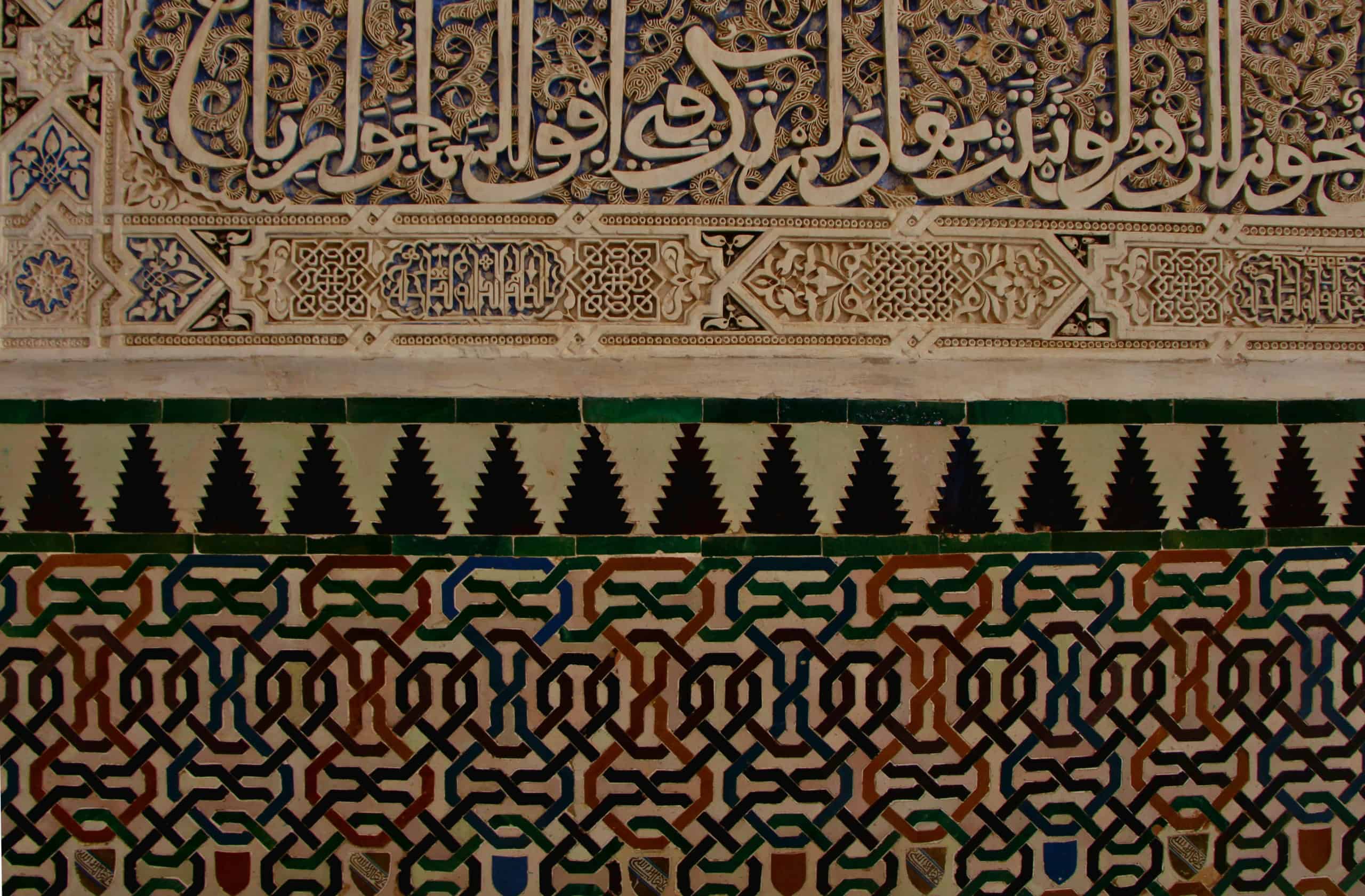
One of the most recognizable contributions of Arab culture to global art is the arabesque—a form of intricate decoration featuring repeating geometric and vegetal patterns.
Rooted in Islamic artistic philosophy, it symbolizes infinity, unity, and divine order, avoiding figurative representation in favor of abstraction.

Arabesque design developed from earlier Byzantine and Persian motifs, yet evolved into its own distinct, mathematically precise form that came to define Islamic aesthetics worldwide.

These motifs are seen in:

  • The Alhambra (Spain), a masterpiece of Nasrid architecture.

  • The Taj Mahal (India), whose geometric balance echoes Arab and Persian principles.

  • Modern design and media, including film sets, digital art, and interior design inspired by Moorish patterns (e.g., Game of Thrones’ Dorne).


b. Calligraphy and Symbolism

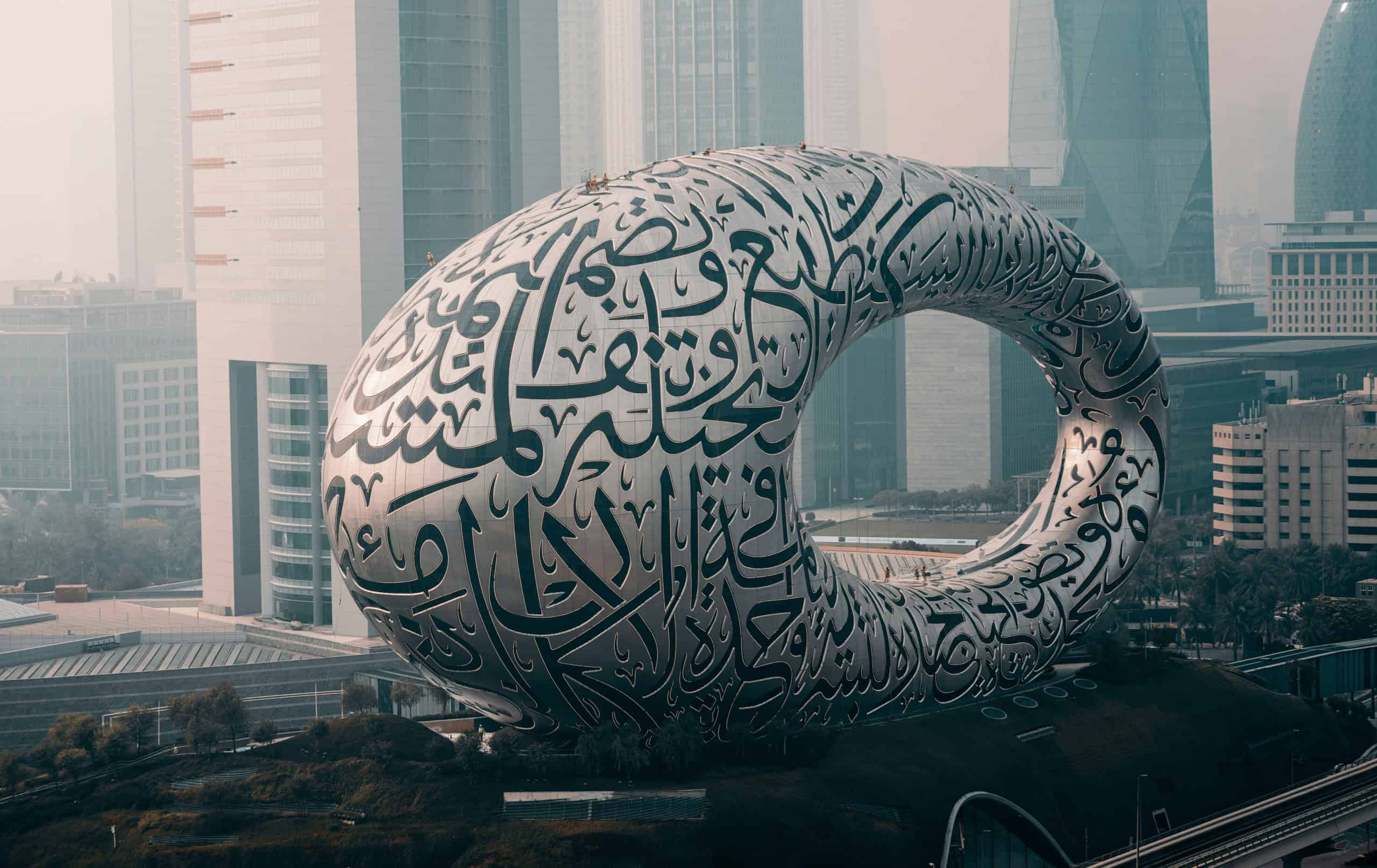
Arabic calligraphy, derived from the sacred script of the Qur’an, became an art form symbolizing beauty, spirituality, and intellect.
It appears not only in mosques and manuscripts but also in African, Ottoman, and European decorative art, influencing medieval manuscript illumination and even modern graphic design.


c. Cross-Cultural Visual Exchanges

Centuries of trade and migration led to deep artistic fusion between Arab and African traditions:

  • Along the Swahili coast, Arabic calligraphy merged with local patterns and colors.

  • In Timbuktu, manuscript art reflected Arab aesthetics in its design and typography.

Contemporary artists—like Wael Shawky and Shirin Neshat—extend this dialogue globally, merging myth, modernity, and Arab heritage in film, performance, and installation.


3. Literary Traditions and Storytelling

a. The Legacy of “One Thousand and One Nights”

Perhaps the most famous Arabic literary contribution is One Thousand and One Nights (Alf Layla wa-Layla)—a vast anthology of interconnected tales like Aladdin, Sinbad, and Ali Baba.
Its frame-story structure and allegorical storytelling techniques have inspired:

  • Geoffrey Chaucer’s Canterbury Tales

  • Giovanni Boccaccio’s Decameron

  • Dante’s Divine Comedy

  • Modern cinema, fantasy, and even storytelling formats in gaming.


b. Poetic Innovation and Influence

Arabic poetry has long shaped global literary form and rhythm. During the Abbasid and Andalusian eras, poets like Abu Nuwas and Al-Mutanabbi perfected forms such as the qasida, zajal, and muwashshah, which influenced:

  • Spanish troubadour and courtly love poetry

  • Hebrew and Persian poetic meters

  • Early Renaissance lyric traditions in Europe

The maqāma genre—a blend of rhymed prose and narrative wit—anticipated modern short-story techniques and inspired medieval Hebrew and Persian storytelling.


c. The Translation Movement and Renaissance Impact

During the Islamic Golden Age (8th–13th centuries), Arab scholars translated and preserved Greek, Persian, and Indian texts in centers like Baghdad’s House of Wisdom.
These works, later rendered into Latin, directly fueled the European Renaissance, reviving lost knowledge in medicine, philosophy, and mathematics.


d. Modern Revival – The Nahda

The Nahda (Arab Awakening) of the 19th–20th centuries ushered in literary modernization and cultural reform across the Arab world.
Through new printing presses, journalism, and translation, writers like Taha Hussein and Khalil Gibran reshaped global Arabic prose and poetry—bridging East and West.

Today, modern Arabic novels—such as The Yacoubian Building (Alaa Al Aswany), Gate of the Sun (Elias Khoury), and Girls of Riyadh (Rajaa Alsanea)—are celebrated worldwide for their cultural insight and narrative innovation.


4. Summary Table

Domain Key Influences
Visual Art & Design Arabesque motifs, geometric symmetry, calligraphy, architecture (Alhambra, Taj Mahal), influence on fantasy and media aesthetics
Literature & Poetry One Thousand and One Nights, maqāma, poetic forms (zajal, muwashshah), European troubadour and Renaissance inspiration
Modern & Contemporary Impact Nahda literary reform, global translation of Arabic novels, cross-cultural art fusions by contemporary Arab creators

5. Conclusion

Arab cultural creativity has profoundly shaped global art and literature, merging spirituality, mathematics, and imagination.
From calligraphic grace and architectural harmony to narrative depth and poetic rhythm, the Arab world’s influence continues to bridge civilizations and eras, reminding us that creativity transcends borders and languages.


6. References & Sources

  1. Architectural Digest – Islamic Architecture: Spiritual and Symbolic Design

  2. Wikipedia – Islamic Golden Age

  3. Arab America – Arab Aesthetics: The Enduring Influence on Global Arts and Culture

  4. Giovanni Filocamo – The Influence of Middle Eastern Culture on Contemporary Art Trends

  5. TingaTinga Art – The Role of the Arab World in African Paintings

  6. Financial Times – Art & Culture Essays on Arab Modernism

  7. Arab America – The Art of Arabic Storytelling

  8. Arab Book Caravan – How Arabic Literature Shapes and Inspires Global Writing

  9. WeChronicle – Influence of Medieval Arab and Persian Fiction on European Literature

  10. Majalla – How Arabic Poetry Influenced the World

  11. Nuhaira – Arabic Poetry: History, Characteristics, and Influence

  12. Free Source Library – Arab Writers: Literary Legacy and Impact

  13. Wikipedia – Arabic Miniature

  14. Britannica – Arabic Literature

  15. Wikipedia – Nahda

  16. The New Yorker – Found in Translation: Arabic Literature in the Global Canon

  17. ArchitectureCourses – Influence of Arab Culture on Western Architecture

  18. EBSCO – Arabic Literary Renaissance Overview

Arab Art and Paintings: From Sacred Geometry to Contemporary Expression

Arab Art and Paintings: From Sacred Geometry to Contemporary Expression

1. Introduction

Arab art and painting encompass centuries of creativity, spirituality, and cultural identity. From the geometric perfection of early Islamic art to the emotionally charged canvases of modern Arab painters, this tradition reflects both continuity and transformation.

While shaped by Islamic principles such as aniconism (the avoidance of depicting living beings in sacred contexts) and tawhid (the unity of God), Arab art has also embraced innovation—merging abstraction, calligraphy, and symbolism to express a deeply human story of faith, heritage, and modernity.


2. Foundations of Traditional Arab and Islamic Art

The foundations of Arab art lie in the visual philosophy of Islam, where beauty is seen as a reflection of divine order. Artistic expression, therefore, aimed not at imitation of the material world but at representing the spiritual and infinite through design, repetition, and symmetry.

Key Elements

Element Description Symbolic Meaning
Aniconism & Abstraction Avoidance of living figures in religious art, focusing on abstract, geometric design. Represents purity and detachment from materialism.
Calligraphy The artistic rendering of Arabic script, especially Qur’anic verses. Embodies the sacred power of the Word.
Geometry & Arabesque Repetitive, mathematically precise patterns, often intertwined with vegetal motifs. Reflects harmony, infinity, and divine perfection.

Historical Context

  • Umayyad & Abbasid Eras (7th–13th centuries): Early frescoes and manuscript illuminations fused Greco-Roman, Sasanian, and Arab aesthetics.

  • Manuscript Painting: Artists like Yahya ibn Mahmud al-Wasiti illustrated literary masterpieces such as The Book of the Thousand and One Nights, capturing daily life and storytelling through vibrant colors and delicate detail.

  • Architectural Ornamentation: Palaces and mosques were adorned with mosaics, stucco reliefs, and ceramics featuring repeating geometric and vegetal motifs, emphasizing unity and transcendence.


3. Evolution into Modern and Contemporary Arab Art

The 20th century marked a turning point in Arab painting. With the fall of colonial powers and the rise of independent nation-states, artists began to explore new expressions of identity, heritage, and political consciousness—often fusing traditional forms with Western techniques.

Post-Colonial Renaissance

Following independence, Arab artists sought to redefine their visual identity, drawing upon ancient motifs, Arabic calligraphy, and folk traditions to assert cultural sovereignty and reject Western dominance.

The Hurufiyya Movement

One of the most distinctive artistic revolutions in modern Arab art, the Hurufiyya movement (from huruf, meaning “letters”) integrated Arabic calligraphy into abstract compositions.
Letters became visual symbols rather than linguistic ones—bridging spiritual tradition and modern aesthetics.

As described by The Hurufiyya Movement Encyclopedia Entry, this style represented a “reclaiming of identity through the Arabic letter,” blending modern abstraction with deeply rooted heritage.

Contemporary Arab Art

Today’s Arab artists explore an array of themes—war, displacement, gender, faith, and globalization—using diverse media such as installation, mixed media, and digital art. The goal is no longer merely aesthetic, but expressive and transformative.


4. Notable Arab Painters and Visionaries

Artist Country Style & Themes
Mahmoud Said (1897–1964) Egypt Considered a pioneer of modern Arab art, blending Egyptian folk life with European modernism.
Princess Fahr El-Nissa Zeid (1901–1991) Turkey / Jordan Created large abstract works inspired by stained glass and Islamic geometry.
Dia Al-Azzawi (b. 1939) Iraq A leading figure of the Baghdad School of Art, merging calligraphy and Mesopotamian history to comment on war and exile.
Etel Adnan (1925–2021) Lebanon / USA Poet and painter known for abstract color fields reflecting landscape, memory, and migration.
Ahmed Mater (b. 1979) Saudi Arabia Combines art and science; known for Magnetism, a conceptual piece reflecting spiritual gravitation around the Kaaba.
Hayv Kahraman (b. 1981) Iraq / USA Explores identity, diaspora, and femininity through figurative painting and body imagery.

Etel Adnan once wrote that “painting was another language,” and indeed, modern Arab artists have transformed visual art into a dialogue between past and present, faith and freedom.


5. The Cultural and Philosophical Essence of Arab Art

Arab art is not confined to a single school or aesthetic—it is an evolving dialogue that connects faith, intellect, and emotion.

Core Values

  • Unity in Diversity: Despite regional and stylistic differences, a shared sense of spiritual unity defines Arab visual culture.

  • Symbolism over Realism: Forms and colors serve symbolic purposes, often representing divine harmony, knowledge, and balance.

  • Interdisciplinary Inspiration: Literature, architecture, music, and poetry often influence visual art, creating a holistic cultural expression.

Global Influence

Institutions like the Museum of Islamic Art (Doha) and exhibitions across Paris, New York, Dubai, and Cairo have brought Arab art into global conversations, emphasizing its role in shaping contemporary world art narratives.


6. The Market and Global Recognition

Today, Arab art has found international acclaim. Masterpieces by Arab painters regularly appear in major auctions at Christie’s, Sotheby’s, and Art Dubai.

  • Works by Mahmoud Said and Princess Zeid have sold for millions, marking them among the most expensive Arab artists.

  • Contemporary voices like Ahmed Mater and Hayv Kahraman feature in global galleries and biennales.

  • The digital era has expanded access—platforms like Marsoum and Art Dubai Digital are reshaping how collectors engage with Middle Eastern art.

According to Scoop Empire, Arab artworks are increasingly viewed not just as regional treasures, but as global cultural investments that tell stories of endurance, identity, and innovation.


7. Conclusion

Arab art and painting are living testaments to a civilization that has thrived on balance—between the sacred and the sensual, the traditional and the modern.
From the geometric purity of Islamic ornamentation to the emotional abstraction of contemporary artists, this tradition continues to evolve, adapt, and inspire.

Ultimately, Arab art is not just seen—it is experienced. It speaks a universal language of spirituality, resilience, and beauty that transcends borders and generations.


8. References & Sources

  1. Marsoum – An Exploration of Modern Arab Art

  2. The Collector – Art of the Islamic World

  3. The Fountain Magazine – Islamic Art and Architecture

  4. Khan Academy – Early Islamic Painting

  5. National Geographic – Islamic Art in Arabia

  6. Metropolitan Museum of Art – The Nature of Islamic Art

  7. Wikipedia – Hurufiyya Movement

  8. Worcester Art Museum – Themes of Islamic Art

  9. The National News – Up-and-Coming Arab Artists

  10. Scoop Empire – Million-Dollar Arab Masterpieces

  11. Amani Kitchen – Influential Middle Eastern Artists

  12. Nelson-Atkins Museum – Islamic and Contemporary Art

  13. Tota World – Artistic Traditions of Arab Civilizations

  14. Africa ME Facts – Islamic Designs and Symbolism

Why is Qatar a place to live

Is Qatar a good place to live? What are the primary reasons people from other countries move to Qatar? Find the details in this article!


Why is Qatar a place to live

Qatar is one of the most significant metropolitan hubs in the Middle East. Although Qatar is a small country, it has developed and transformed into a luxurious place to lie and work. Qatar is a well-respected nation and makes substantial efforts to expand and improve its economy. Here are a few reasons to live in Qatar. Read on!

Safe and Secure

According to Numbeo, Qatar is one of the safest countries in the world, allowing locals and foreigners to live a luxurious and secure life. Global Peace Index says, living in Qatar is the best experience for foreigners because it is a peaceful country in the MENA region along with UAE and Saudi Arabia. So, you can feel safe in Qatar even at night, making it the best place to live for families.

High Paying Jobs

Finding and landing your dream job is another reason to move to Qatar. The country has advanced industrial expansion and hundreds of companies that offer high-paying job opportunities for foreigners.

Although you can work in any industry based on your qualification, Qatar is best for people with skills in engineering, technology, IT, software, law, real estate, and human resources.

Tax-Free Salary

The best thing about living in Qatar is that the government exempts people from paying taxes. So, you can take your salary without tax deductions. However, if you run a business, you will have to pay the state 10% of fixed taxes annually on your income.

State-of-the-Art Health System

Qatar has an advanced healthcare system with people-oriented policies. For instance, Hamad Medical Corporation is the best non-profit health and medical provider in the country. The government established this institution in 1979. It offers state-of-the-art health services to a million people annually.

Overall, the health services in Qatar are quality, efficient, and affordable. Each hospital has cutting-edge equipment and qualified health professionals to care for patients.

Diverse Culture

Qatar is home to thousands of ex-pats and dozens of multicultural communities. People from over 100 nationalities live in Qatar, particularly in the capital city Doha. Living in Qatar will let you experience the local traditions, values, culture, and cuisine. Not only will you learn Arabic (if you want to), but you will also explore the local culture and enjoy the most!

Quality Education

Qatar has the best education system in the Middle East. It has top-notch universities, colleges, and schools for adults, teenagers, and children. For instance, Sheikha Nasser, the mother of Qatar’s Emir, founded the Education City in 1955.

The Education City offers financial assistance to students from other countries and provides them with quality education. You will find multilingual education institutions, including schools and colleges, for your children to receive a quality education.

Final Words

Living in Qatar is a one-of-a-kind experience for ex-pats, families, and couples from other countries. No place is better than Qatar in the Middle East if you want to live a luxurious life and make the most of it in a safe, secure, and peaceful environment. Until Next Time!


  • Article based on personal opinion, experience and research.
  • Photos from Unsplash & canva.

Best universities in the Arab world

Are you looking for the best universities in the Arab world? Check out this post to get the list and essential information about each University!


Best universities in the Arab world

There is a solid tradition for learning, academia, research, and development in the Arab World. People in the Arab world consider education a powerful tool to enhance their creative skills, improve their knowledge, and compete with the world. Today’s article will list the best universities in the Arab World.

1. King Saud University

King Saud University, commonly known as KSU, is a public institution of higher education in Riyadh, Saudi Arabia, founded in 1957. It is considered a historically elite Islamic university due to its buildings, students, facilities, books, and other educational services and grants.

2. King Abdul Aziz University

King Abdulaziz University is a public institution of higher education in Jeddah, Saudi Arabia, founded in 1967. According to Islamic rules, King Abdulaziz University has two campuses, one for women and one for men. The University hosted the first Saudi International Trauma Week. It was the first international conference in Saudi Arabia in trauma medicine.

3. Cairo University

Cairo University is a public university located in Giza, Egypt. The University, also known as Egyptian University, was founded in 1908. It is the second best and oldest institution of higher education in Egypt after Al Azar University. The University also has a publishing department, which includes university journals, books, magazines, a student library, and publications.

4. King Abdullah University of Science & Technology

King Abdullah University Of Science and Technology is a private university located in Tuwal, Saudi Arabia, established in 2009. The University offers research and graduate programs in English and Arabic, the official language.

King Abdullah University of Science and Technology offers balanced and comprehensive programs in various master’s and doctoral programs, including Environmental Sciences, Biological Sciences, and Engineering.

5. King Fahd University

KFUPM is located in Dhahran, Eastern Province of Saudi Arabia, and is one of the largest public universities in Saudi Arabia, founded in 1963. Its main specialties are oil and minerals, the kingdom’s most abundant resources.

The University’s main campus is in Dhahran and includes a research center, accommodations, and recreational facilities. The University works with various companies in the oil and gas industry and plays an essential role in providing the industry with the necessary human resources.

6. Ain Shams University

It is a community university in Cairo, Egypt. Ain Shams University is one of the best Campuses of higher education in Egypt. Ain Shams Campus offers diploma, undergraduate, and graduate programs. It also provides credit programs, training courses, open learning programs, and an e-learning center for students.

7. United Arab Emirates University

Located in Abu Dhabi, United Arab Emirates, it is a public university established in 1976. It is known as one of the oldest universities in the United Arab Emirates, founded by the late Sheikh Zayed Al Nahyan, the founding father of the United Arab Emirates, after its independence from Britain. United Arab Emirates University is certified and has six separate small campuses.

8. Mansoura University

Mansoura University is a public university located in Mansoura, Egypt, founded in 1972. The University has numerous facilities, including a library center, research centers, laboratories, and an e-learning center. There are several hospices on the university campus, including a nephrology and urology center, a specialized medical center, and an emergency hospital.

9. Kuwait University

Kuwait University, commonly known as KU, is a public university established in Kuwait City in October 1966. It has 40,000 undergraduate and 2,300 graduate students, and its current president is Professor Hussain Al-Ansari. Kuwait University is on 380 acres known as the “Green Campus.” The University is attractively built and consists of seven campuses.

10. Sultan Qaboos University

Sultan Qaboos University is a public university in Muscat, Oman, founded in 1986. Sultan Qaboos University consists of the Faculty of Engineering, the Faculty of Arts and Social Sciences, Agricultural and Marine Sciences, the Faculty of Economics and Political Sciences, and the Faculty of Education.

Final Words

Higher education in Arab universities allows people to discover diversity, learn study skills, build friendships, participate in research activities, and improve their professionalism. Until Next Time!


  • Article based on personal opinion, experience and research.
  • Photos from Unsplash & canva.